What to Expect When Painting an Occupied Commercial Building

Painting an occupied commercial building can feel overwhelming. Many property managers and business owners worry about disruptions to daily operations, safety concerns, and how tenants or staff will be affected.
The good news is that with the right commercial painting contractor, painting doesn't have to interrupt business as usual.
Here's what you can expect when your occupied commercial building is painted correctly.
Why Occupied Commercial Painting Is Different
Painting an occupied building is not the same as painting a vacant space or a new construction project. Every decision, from scheduling to material selection, must account for people actively using the building.
Occupied commercial painting requires:
- Detailed planning and coordination
- Clear communication with building management and occupants
- Flexibility to adjust to daily operations
- Crews are trained to work professionally around people
Experienced contractors understand that the goal isn't just a quality finish: it's completing the project with minimal disruption.
Thorough Pre‑Project Planning and Communication
Successful occupied projects begin long before the first drop cloth is laid. Pre‑project planning is one of the most important steps in ensuring a smooth experience.
This process typically includes:
- A detailed walkthrough of the building
- Identifying high‑traffic, sensitive, or restricted areas
- Discussing business hours, peak usage times, and special requirements
- Establishing clear timelines and work zones
Open communication allows everyone to know what to expect each day, reducing surprises and ensuring the project stays on track.
Flexible Scheduling That Works Around Your Business
One of the biggest advantages of hiring an experienced commercial painter is the flexibility in scheduling. In many cases, work can be completed without interfering with normal operations.
Common scheduling solutions include:
- Night, weekend, or off‑hour painting
- Phased approaches that focus on one area at a time
- Adjusting work hours to accommodate meetings, services, or patient care
By planning around how your building is used, painting can move forward while your business continues to run smoothly.
Safety Comes First in Occupied Buildings
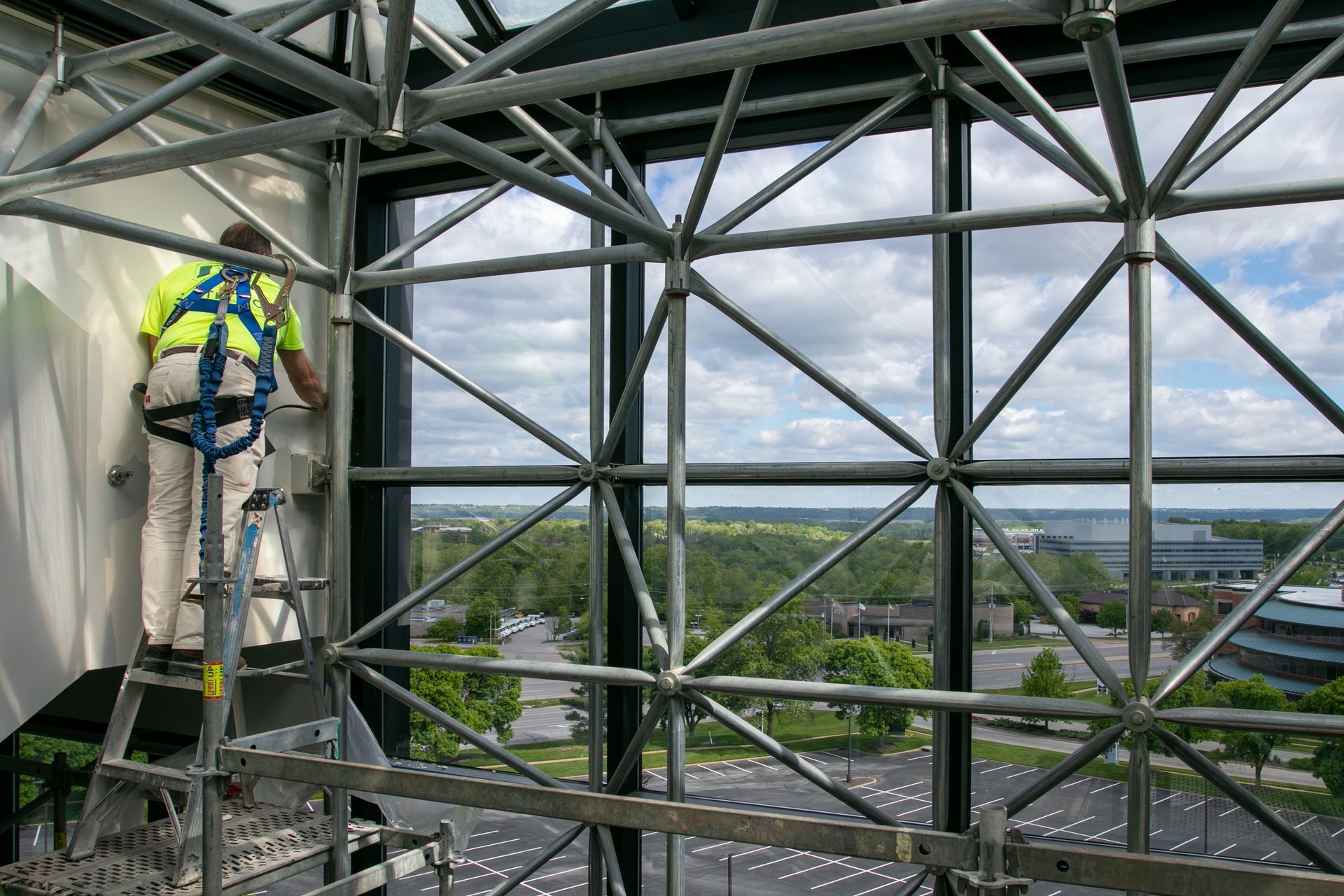
Safety is a top priority when people are present during a painting project. Professional commercial painters follow strict safety protocols to protect occupants, staff, and visitors.
This often includes:
- Using low‑VOC and low‑odor paint products
- Maintaining proper ventilation
- Clearly marking work areas with signage and barriers
- Following industry and site‑specific safety standards
These measures help create a safe environment while ensuring the building remains functional throughout the project.
Cleanliness, Noise, and Dust Control
Occupied commercial painting demands a higher level of cleanliness and professionalism. Daily cleanup is essential, especially in shared or sensitive environments.
Expect your painting contractor to:
- Protect floors, furniture, and equipment
- Contain dust and debris
- Minimize noise whenever possible
- Leave work areas clean and organized at the end of each day
Attention to these details helps maintain a professional environment for everyone using the space.
Working Respectfully Around People and Daily Operations
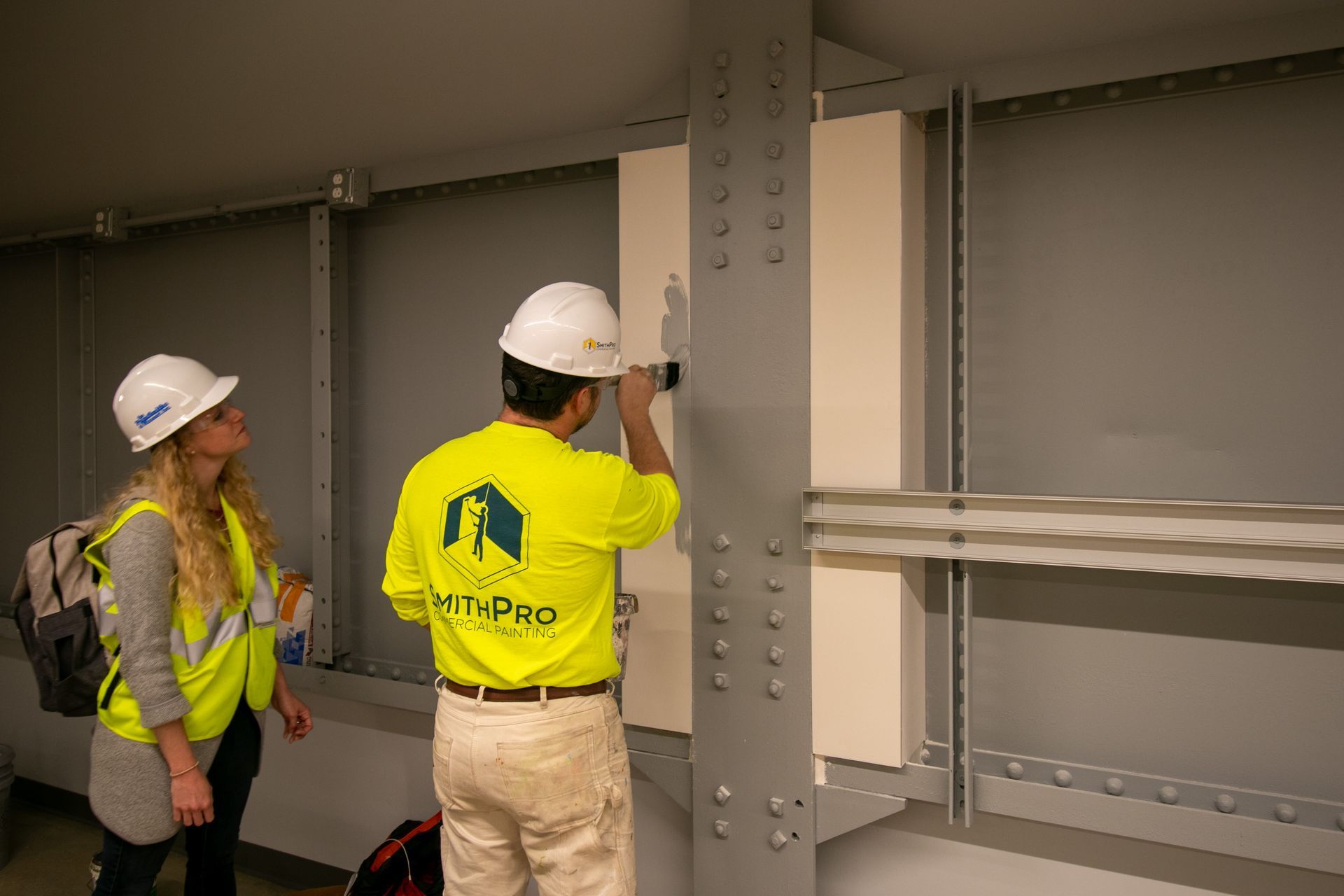
Painting crews in occupied buildings must be courteous, adaptable, and respectful at all times. This is especially important in environments like offices, healthcare facilities, and educational spaces.
Professional painters know how to:
- Respect privacy and confidential areas
- Coordinate with on‑site staff when schedules change
- Adjust workflows if unexpected needs arise
- Maintain a professional presence on site
This flexibility is what allows occupied painting projects to succeed without unnecessary stress.
Why Experience Matters for Occupied Commercial Projects
Not all painting contractors are equipped to handle occupied buildings. Experience makes a significant difference in how smoothly a project runs.
Working with an experienced commercial painter means:
- Less disruption for tenants and staff
- Better communication throughout the project
- Higher quality, longer‑lasting results
- Confidence that complex logistics are handled professionally
In occupied spaces, the lowest price is rarely the best value. Expertise and planning are what protect your time, budget, and reputation.
A Smooth Painting Process Starts with the Right Partner
Painting an occupied commercial building doesn't have to be complicated. With proper planning, flexible scheduling, and an experienced team, your space can be refreshed without halting business.
SmithPro Commercial Painting specializes in delivering high‑quality results while keeping St. Louis businesses, facilities, and commercial properties running smoothly.
If you're planning a painting project in an occupied space, we're here to make the process as easy as possible from start to finish.
Contact us today to discuss your project and learn how we can work around your schedule!