What Your Commercial Building’s Interior Paint Says About Your Business

Businesses put a lot of thought into the experience they create for customers, clients, tenants, and visitors. Signage, lighting, furniture, cleanliness, and décor all contribute to the way a commercial environment looks and feels.
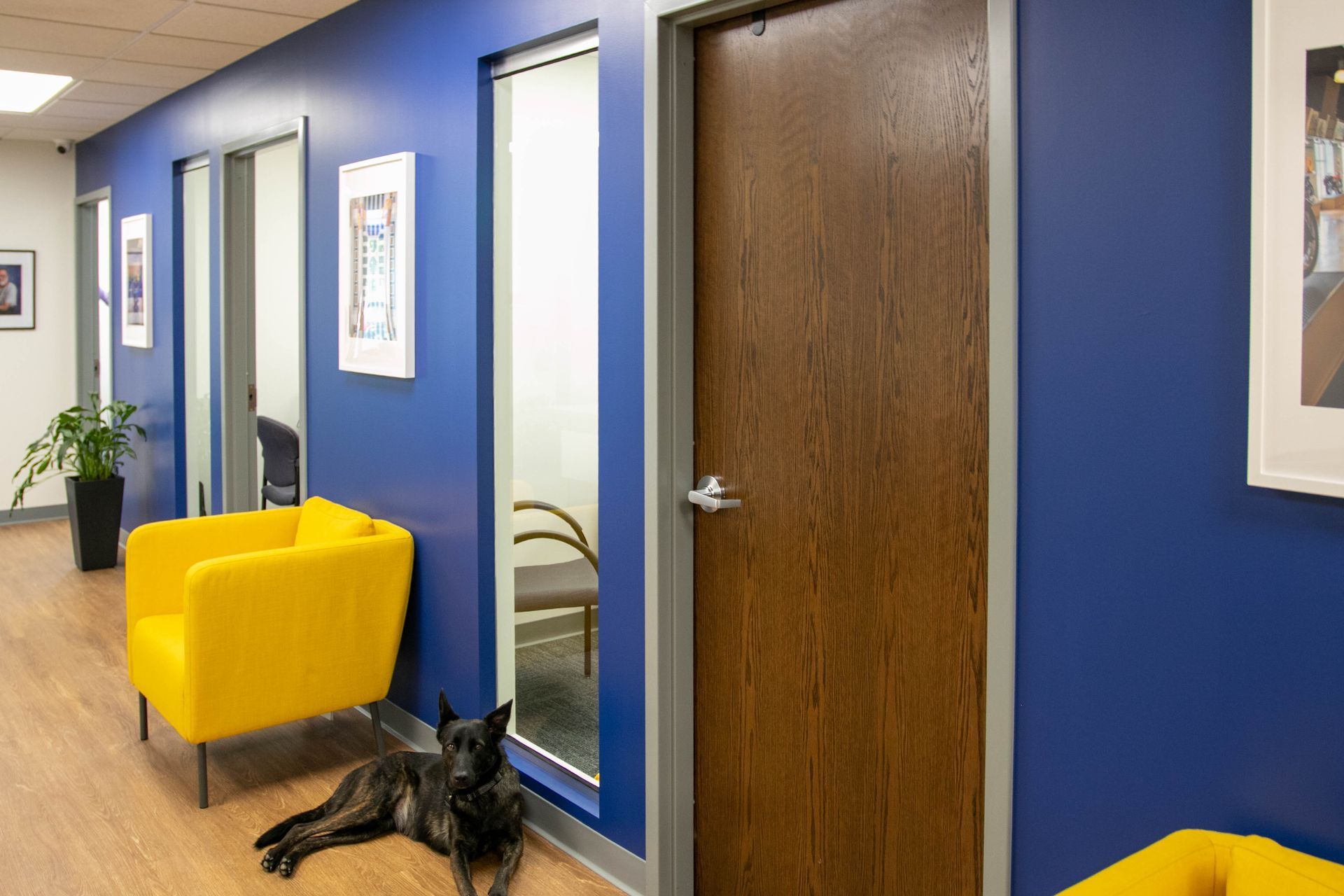
Interior paint plays a role in that experience, too. Walls make up a large portion of what people see when they enter a commercial building. When paint is clean, cohesive, and well-maintained, it may simply feel like a natural part of the space.
When walls are noticeably scuffed, faded, damaged, or inconsistent, however, they can draw attention for the wrong reasons.
Taking a fresh look at your interior paint can help ensure the condition of your space reflects the image your organization wants to present.
First Impressions Begin With the Space Around You
The physical condition of a commercial space begins communicating with visitors as soon as they walk through the door.
Reception areas, lobbies, waiting rooms, hallways, and other customer-facing spaces help establish an initial impression of the property. Walls that appear clean and cared for can contribute to an environment that feels polished and professional.
Visible wear can have the opposite effect. Scuffs, stains, chipped areas, and fading may make an otherwise attractive space look neglected or overdue for attention.
One challenge is familiarity. When you see the same environment every day, gradual changes can be difficult to notice. Occasionally, viewing a space from a visitor's perspective can make worn areas much easier to spot.
Wear Can Send an Unintended Message
Commercial interiors are meant to be used, so some wear is unavoidable.
Busy hallways experience frequent contact. Entrances see constant activity. Meeting rooms, reception areas, and shared spaces may develop marks and other signs of daily use over time.
The question is whether that wear has reached a point where it begins changing the overall impression of the facility.
A well-used building does not need to look brand new at every moment, but routine attention to visible wear can help prevent small imperfections from becoming a defining feature of the space.
This is particularly important in prominent areas where customers, tenants, vendors, or other visitors spend time.
Color Helps Establish the Character of a Space
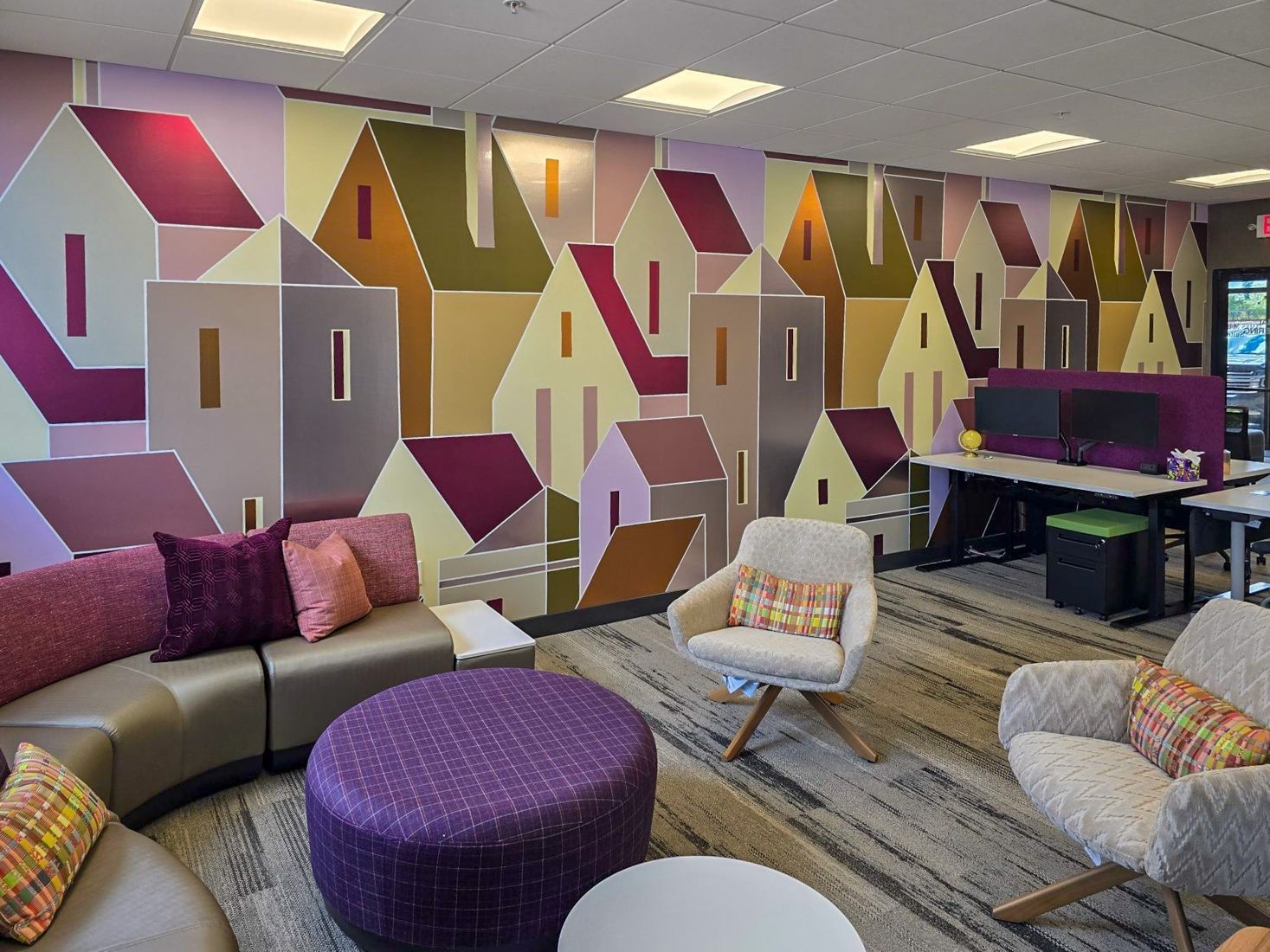
Condition is only one part of the equation. Color also contributes to the way an interior comes together.
Commercial color choices can complement branding, architecture, furniture, flooring, lighting, and other finishes throughout a facility. In some spaces, incorporating brand colors may provide a subtle connection to the organization's identity. In others, neutral or complementary colors may be better suited to the overall environment.
The goal is to consider paint as part of the entire space rather than making a color decision in isolation.
As other elements of a facility change, an existing color palette may also begin to feel disconnected. New furniture, flooring, lighting, or renovations can all prompt a reevaluation of whether the walls still complement the surrounding environment.
Consistency Makes a Commercial Interior Feel Intentional
Commercial spaces often change gradually rather than all at once.
One area might be renovated several years before another. Individual rooms may be repainted after repairs. New spaces may be added as a business grows. Over time, those changes can leave a building with slightly different colors, finishes, or levels of wear.
Individually, those differences may seem minor. Viewed as a whole, however, they can make the interior feel less cohesive.
Taking a facility-wide perspective can help property and facility managers identify areas where greater consistency would create a more intentional appearance.
Different Spaces Can Communicate Different Priorities
Not every part of a commercial building serves the same purpose, so painting priorities may vary throughout the facility.
A reception area creates an important visual introduction for visitors. Conference rooms and meeting spaces may benefit from a polished appearance that complements their professional use. Hallways and common areas connect the facility and often experience steady traffic.
Operational and employee areas matter as well. Even when customers rarely enter these spaces, keeping them maintained contributes to the overall condition of the property.
Thinking about how each area is used can help determine where appearance, durability, consistency, and maintenance should receive the most attention.
Know When Your Interior No Longer Reflects Your Business
Because interior changes happen slowly, it can be helpful to periodically pause and look at the facility with fresh eyes.
Are walls noticeably faded, marked, or worn? Do older and newer areas feel visually disconnected? Has the space undergone other updates that make the paint feel dated by comparison? Does the current color scheme still make sense?
Your commercial interior is part of the experience you create for everyone who enters the building. Thoughtful colors and well-maintained finishes can help create a space that feels professional, cohesive, and cared for.
If your interior no longer reflects the impression you want your business to make, our SmithPro Commercial Painting team can help you plan a commercial painting project that complements your facility, operations, and overall goals.
Contact us today about your project!