
Our Services
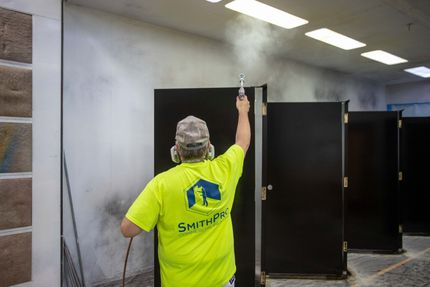
We provide a variety of turn-key interior and exterior commercial painting services. We can handle everything from occupied operating rooms to office buildings as well as specialty services.
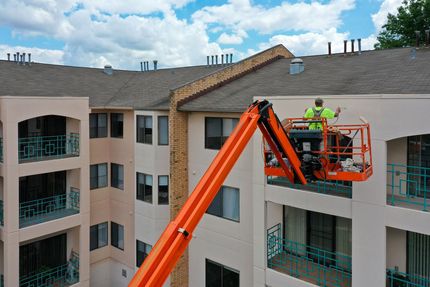
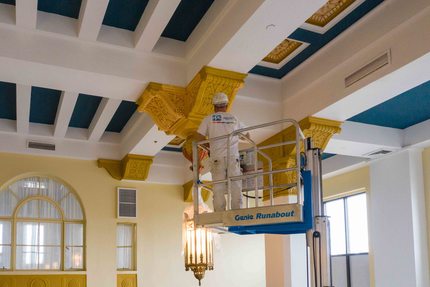

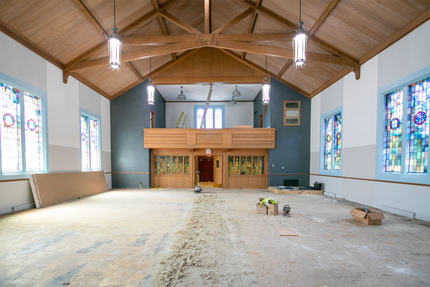
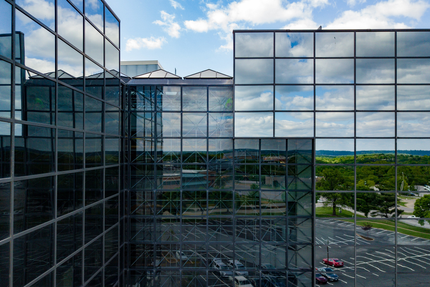
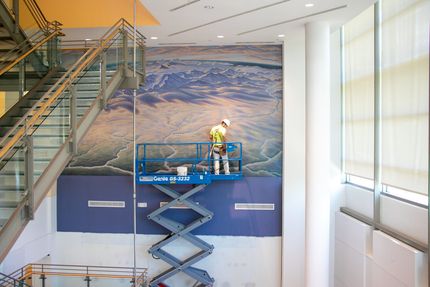
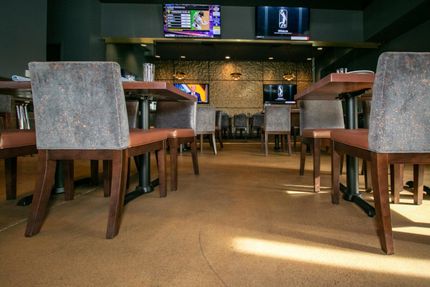
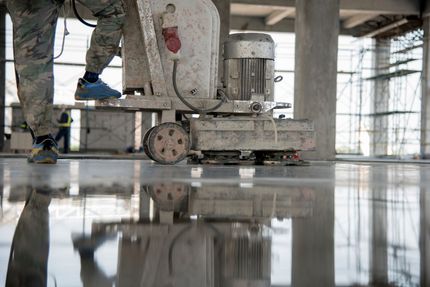
Some of Our Recent Projects
Check Out Our Blog
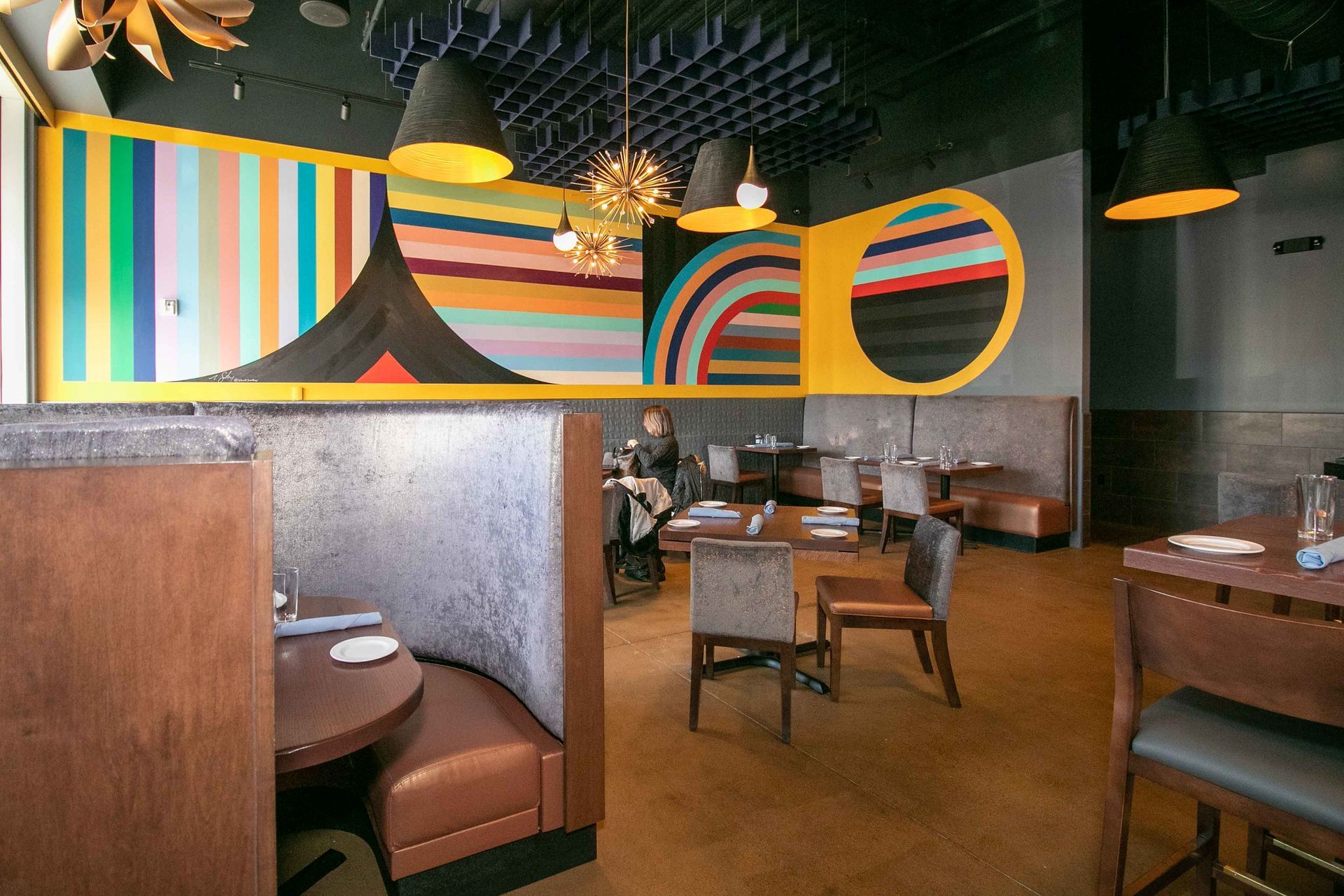
Businesses put a lot of thought into the experience they create for customers, clients, tenants, and visitors. Signage, lighting, furniture, cleanliness, and décor all contribute to the way a commercial environment looks and feels. Interior paint plays a role in that experience, too. Walls make up a large portion of what people see when they enter a commercial building. When paint is clean, cohesive, and well-maintained, it may simply feel like a natural part of the space. When walls are noticeably scuffed, faded, damaged, or inconsistent, however, they can draw attention for the wrong reasons. Taking a fresh look at your interior paint can help ensure the condition of your space reflects the image your organization wants to present. First Impressions Begin With the Space Around You The physical condition of a commercial space begins communicating with visitors as soon as they walk through the door. Reception areas, lobbies, waiting rooms, hallways, and other customer-facing spaces help establish an initial impression of the property. Walls that appear clean and cared for can contribute to an environment that feels polished and professional. Visible wear can have the opposite effect. Scuffs, stains, chipped areas, and fading may make an otherwise attractive space look neglected or overdue for attention. One challenge is familiarity. When you see the same environment every day, gradual changes can be difficult to notice. Occasionally, viewing a space from a visitor's perspective can make worn areas much easier to spot. Wear Can Send an Unintended Message Commercial interiors are meant to be used, so some wear is unavoidable. Busy hallways experience frequent contact. Entrances see constant activity. Meeting rooms, reception areas, and shared spaces may develop marks and other signs of daily use over time. The question is whether that wear has reached a point where it begins changing the overall impression of the facility. A well-used building does not need to look brand new at every moment, but routine attention to visible wear can help prevent small imperfections from becoming a defining feature of the space. This is particularly important in prominent areas where customers, tenants, vendors, or other visitors spend time.
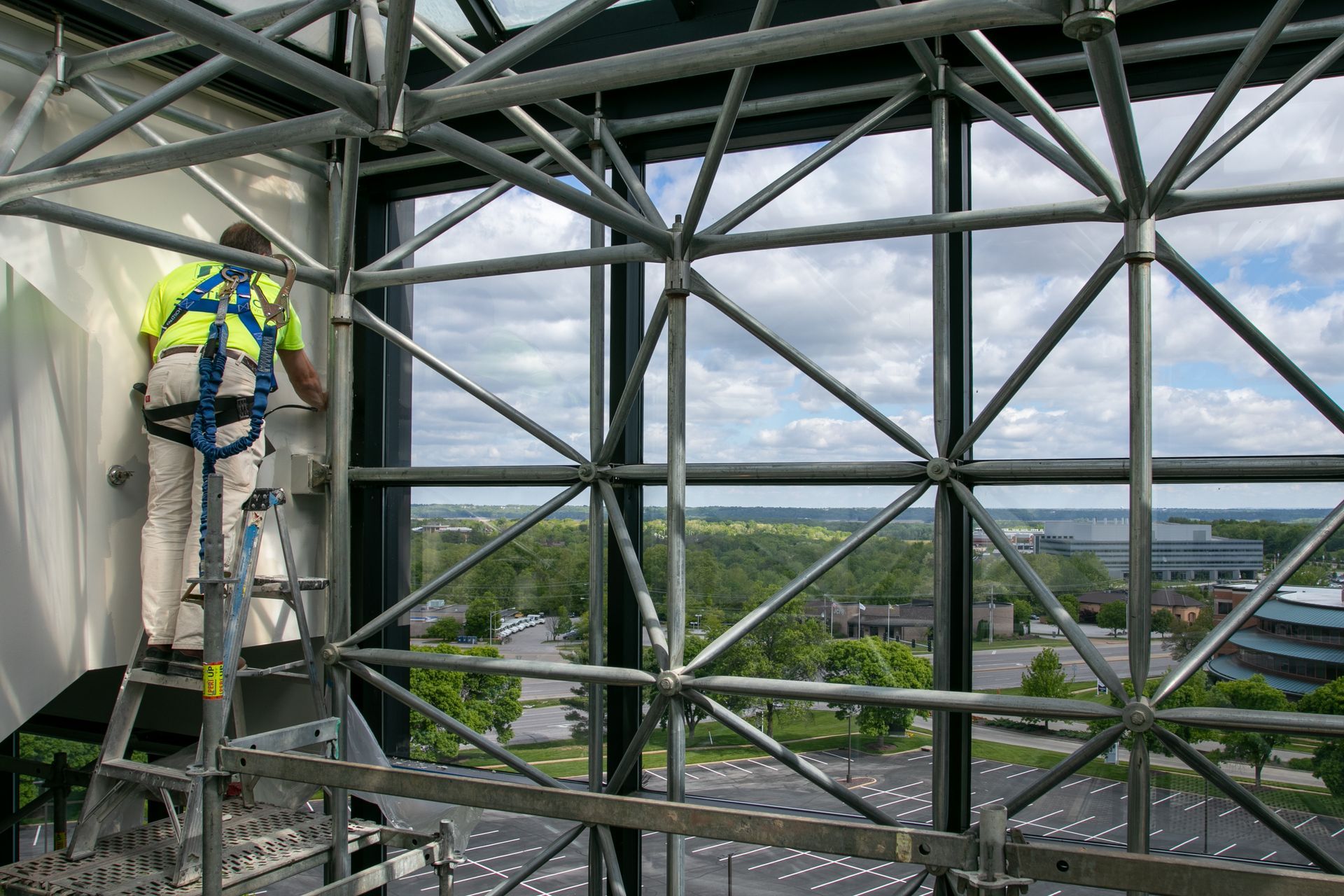
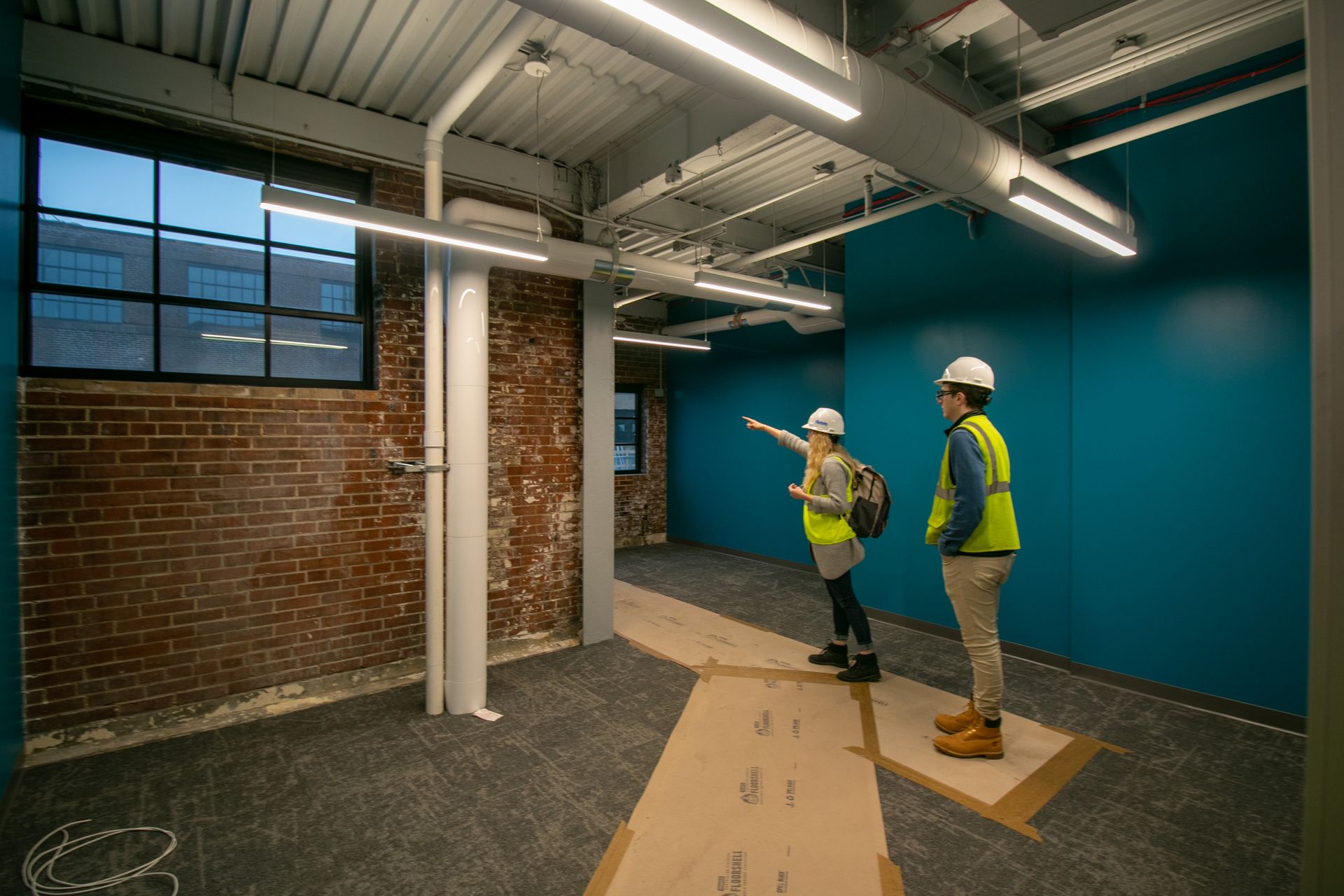
Learn when to schedule a commercial painting project by considering weather, business operations, budgeting, and availability to achieve the best results year-round.
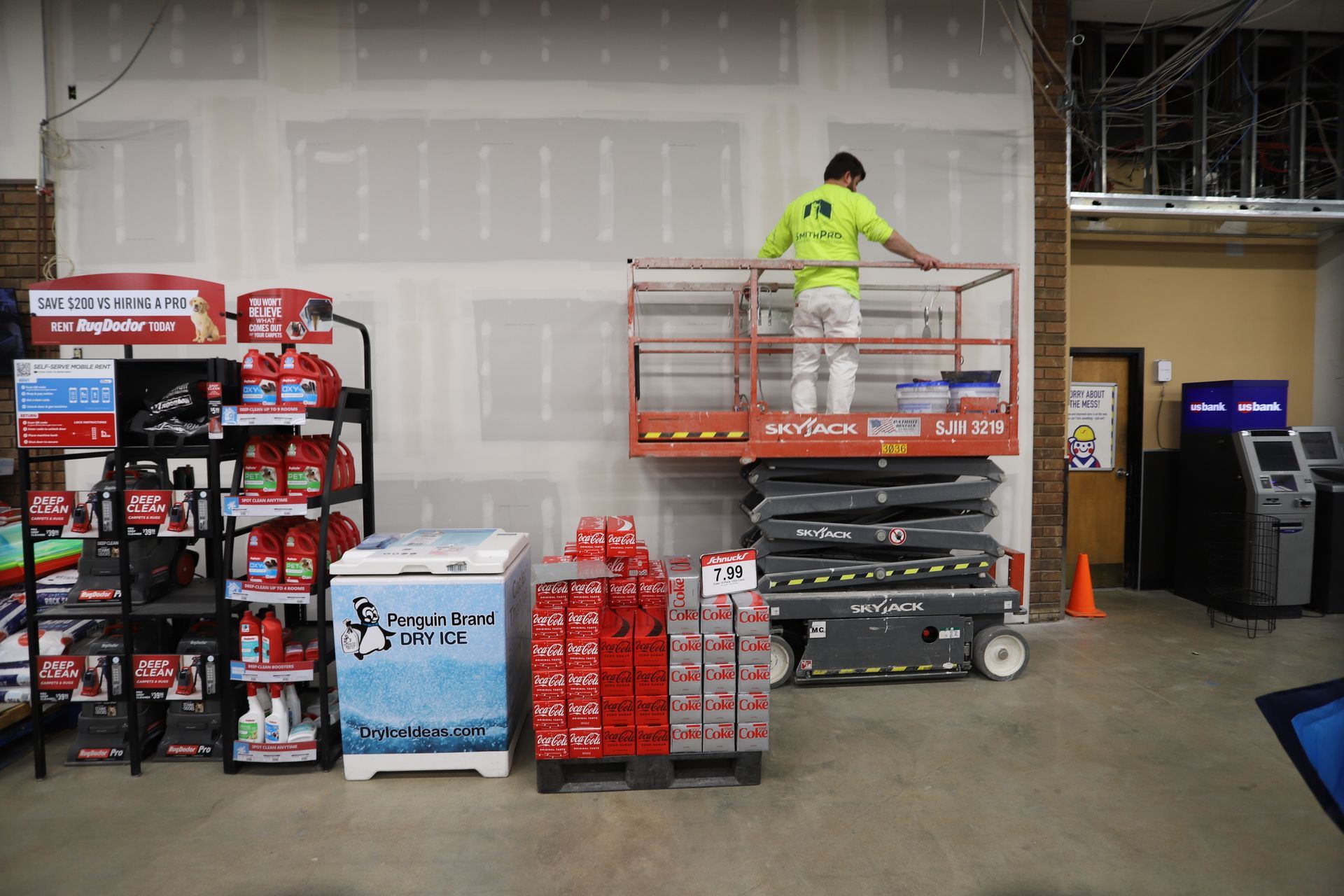
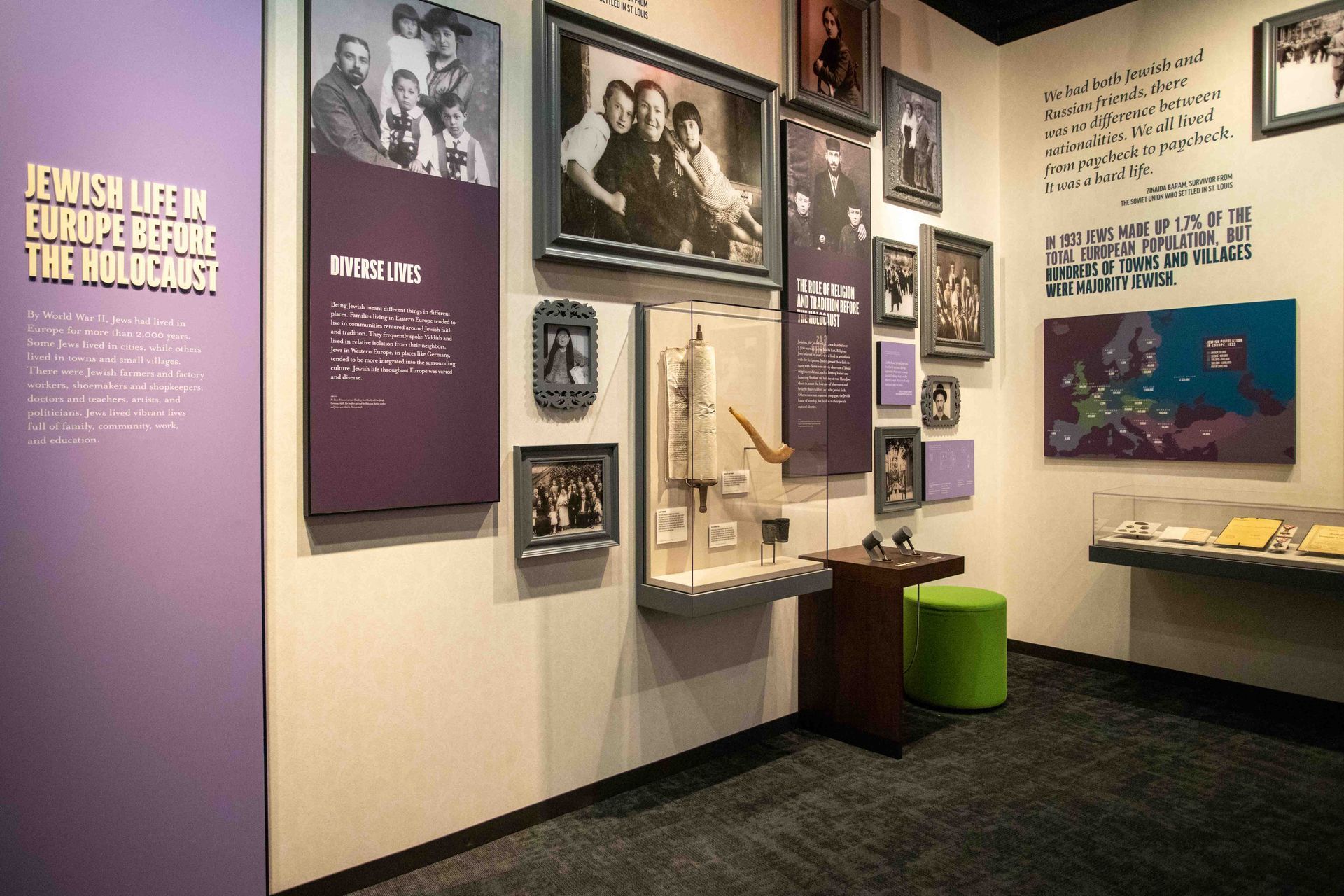
Learn when paint touch-ups are enough and when a full repaint is needed. Discover signs of fading, wear, and color mismatch to maintain a professional finish.