Can Commercial Interior Painting Be Done During Business Hours?

Your commercial space could clearly use a fresh coat of paint, but there is one major obstacle: business doesn't stop just because the walls need attention. Employees still need their workspaces, customers are coming through the doors, and daily operations need to continue.
So, can commercial interior painting be done during normal business hours?
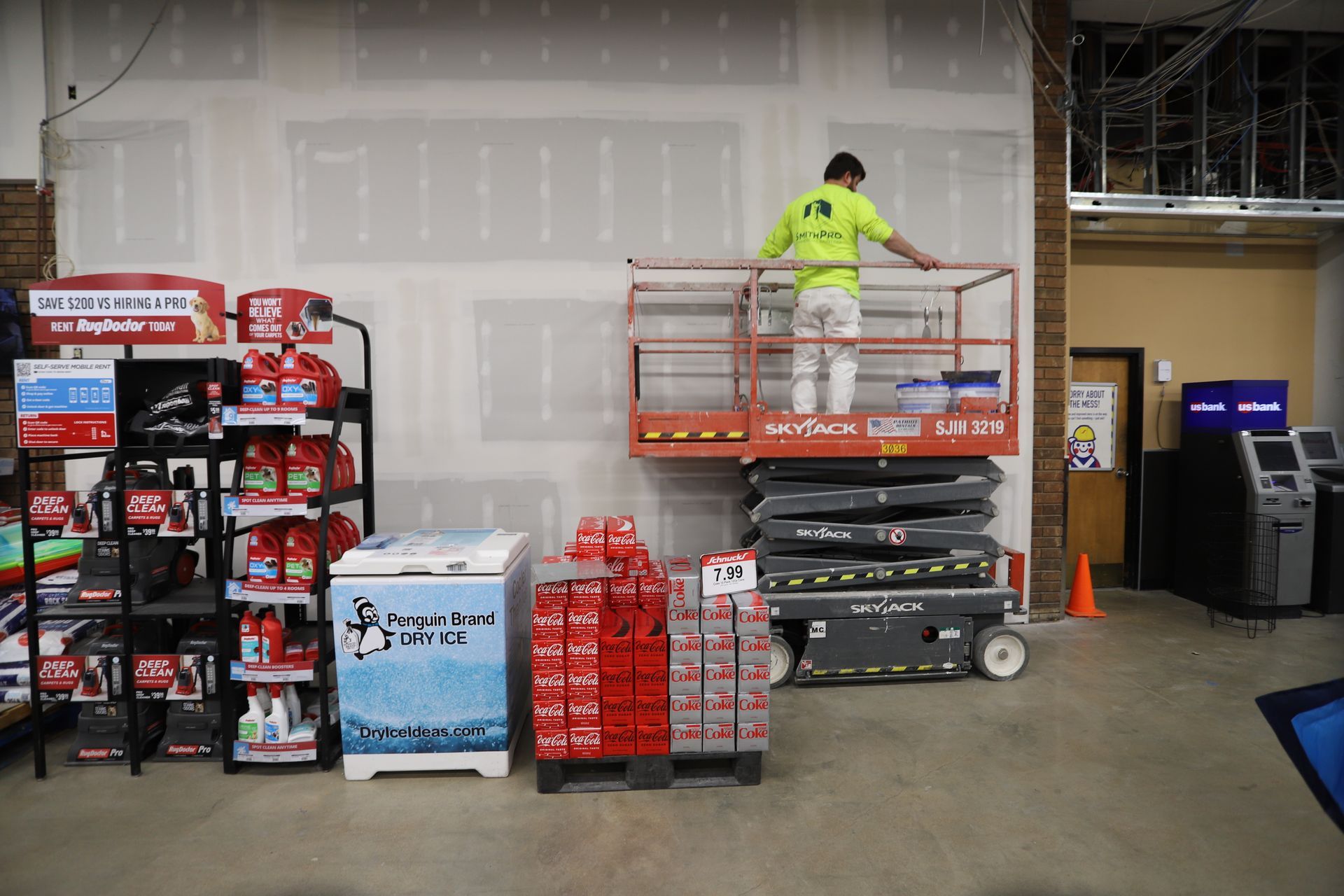
Yes, in many cases, commercial interior painting can be completed while a business remains open. The key is careful planning. The size and layout of the facility, number of occupants, customer traffic, areas being painted, and scope of work can all influence whether daytime painting makes sense.
With the right approach, a commercial painting project can often proceed without unnecessary disruption.
Evaluate How the Space Is Used
Before deciding when to paint, it helps to look at how employees, customers, tenants, and visitors move through the building each day.
An office with several unused conference rooms during part of the day may have more flexibility than a busy retail store where customers constantly move throughout the space.
Likewise, painting an individual office is considerably different from working in a main entrance or heavily traveled hallway.
A commercial painting plan should consider questions such as:
- Which areas receive the most traffic?
- Are certain spaces empty at predictable times?
- Can specific rooms or sections temporarily be taken out of service?
- Which entrances, hallways, or common areas need to remain accessible?
- Does the business have predictable periods of lower activity?
Understanding these patterns helps determine where painters can work during business hours and where another approach may be more practical.
Divide Larger Projects Into Manageable Areas
Painting an occupied commercial building doesn't necessarily mean taking the entire facility out of service at once.
Larger projects can often be divided into phases. A contractor may work through individual offices, conference rooms, departments, floors, or other sections while unaffected areas remain available for normal use.
This approach can be particularly valuable in facilities that cannot simply shut down for several days.
Phasing also gives the business an opportunity to plan ahead. Employees can relocate temporarily, meetings can be scheduled elsewhere, or specific areas can be kept clear while painters complete that portion of the project.
Consider Employee and Customer Traffic
Just because an area can be painted during business hours doesn't always mean that is the best time to do it.
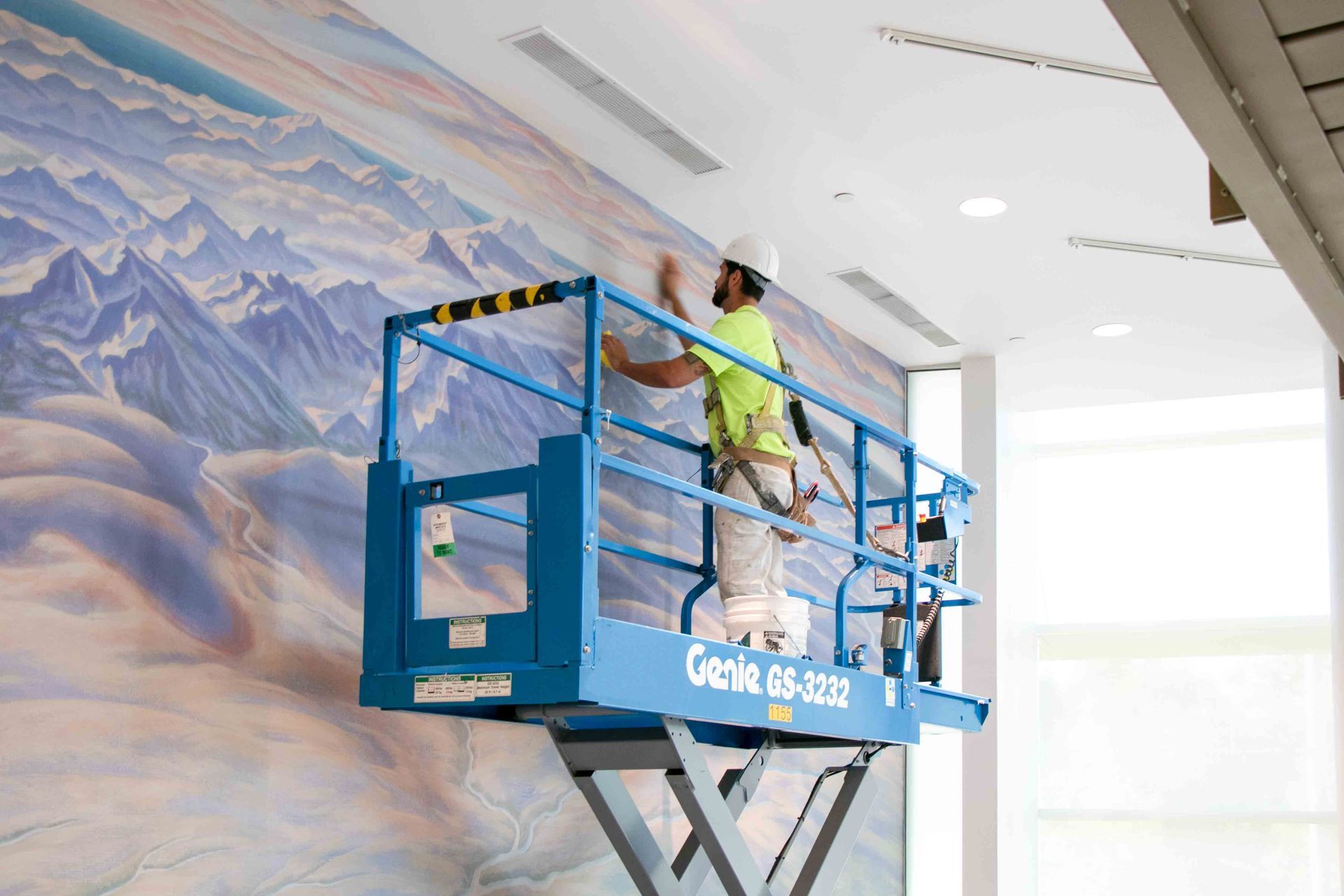
Entrances, reception areas, hallways, customer waiting areas, and other high-traffic spaces require additional consideration. Even if normal operations can continue nearby, workers still need enough room to prepare surfaces, position equipment, apply coatings, and maintain an appropriate work area.
This is where scheduling becomes especially important.
A business may choose to have lower-traffic spaces painted during the workday while saving busier areas for evenings, weekends, or periods when fewer people are in the building. Using a combination of schedules can help keep the project moving without creating unnecessary obstacles for employees or customers.
Choose the Right Products for an Occupied Facility
Product selection is another important part of planning commercial interior painting.
Different coatings have different application requirements, odors, drying times, curing requirements, and performance characteristics. The right choice depends on the surface being painted, how the space is used, the amount of wear it receives, and other project requirements.
Low-odor and low-VOC coating options may be appropriate for certain occupied environments. However, choosing paint shouldn't come down to a single feature. The coating still needs to perform properly on the surface and meet the facility's demands.
A commercial painting contractor can help evaluate both the space and the project requirements when determining which products are appropriate.
Know When After-Hours Painting Makes More Sense
There are situations where completing at least part of a project outside normal business hours may simply be more practical.
A busy lobby could be difficult to work in while customers arrive throughout the day. A heavily traveled hallway might need to remain accessible. Extensive surface preparation could also make daytime work inconvenient in a frequently occupied area.
After-hours or weekend painting can offer greater flexibility in situations like these, allowing painters to access the space while minimizing interference with employees, customers, and other occupants.
That doesn't mean the entire project has to happen after hours. A combination of daytime and after-hours work may offer the best balance.
Good Communication Keeps the Project Moving
Communication can make a significant difference when painting takes place in an occupied building.
Before work begins, everyone involved should understand which areas will be affected and when. Establishing a painting sequence can help employees plan where they will work, allow facility managers to coordinate access, and prevent unexpected conflicts with meetings, deliveries, customers, or other activities.
Clear work zones also help occupants understand where painting is taking place and which areas they should avoid temporarily.
The more planning that happens upfront, the easier it is to keep both the painting project and everyday operations moving forward.
You Don't Necessarily Have to Choose Between Painting and Productivity
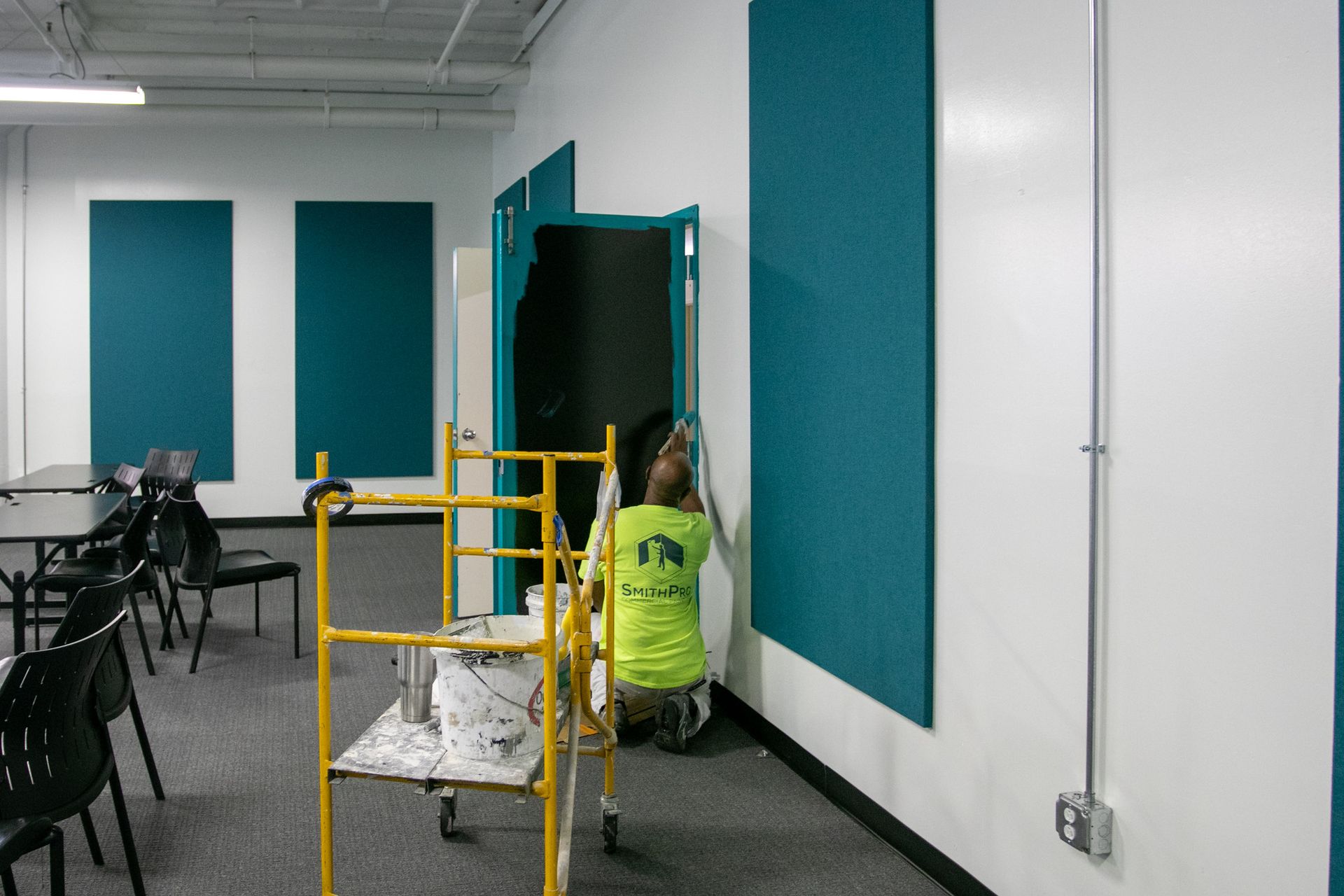
Putting off an interior painting project because your business can't afford to close may not be necessary. Many commercial interior painting projects can be phased or scheduled around normal operations, allowing employees to keep working and businesses to continue serving their customers.
The right plan will depend on your facility, schedule, occupants, and scope of work. Some areas may be perfectly suited for daytime painting, while others may be better addressed in the evenings, on weekends, or during slower periods.
If concerns about disruption have been holding your project back, the SmithPro Painting team can help you develop a commercial painting plan that fits your facility's needs.
Contact us today to discuss your interior painting project and find an approach that minimizes disruption.