What Impacts the Cost of Commercial Painting?

When you start planning a commercial painting project, one of the first questions you probably ask is, “What will this cost?”
The reality is that commercial painting does not have a flat price. Every building, surface, and operating environment is different.
Understanding what drives cost helps you plan more effectively, avoid surprises, and make decisions that protect your facility long after the paint dries.
Here are the key factors that influence the cost of commercial painting and why they matter.
Building Size and Surface Area
The overall size of your building plays a major role in project scope. Larger spaces require more labor, more materials, and more time to complete properly.
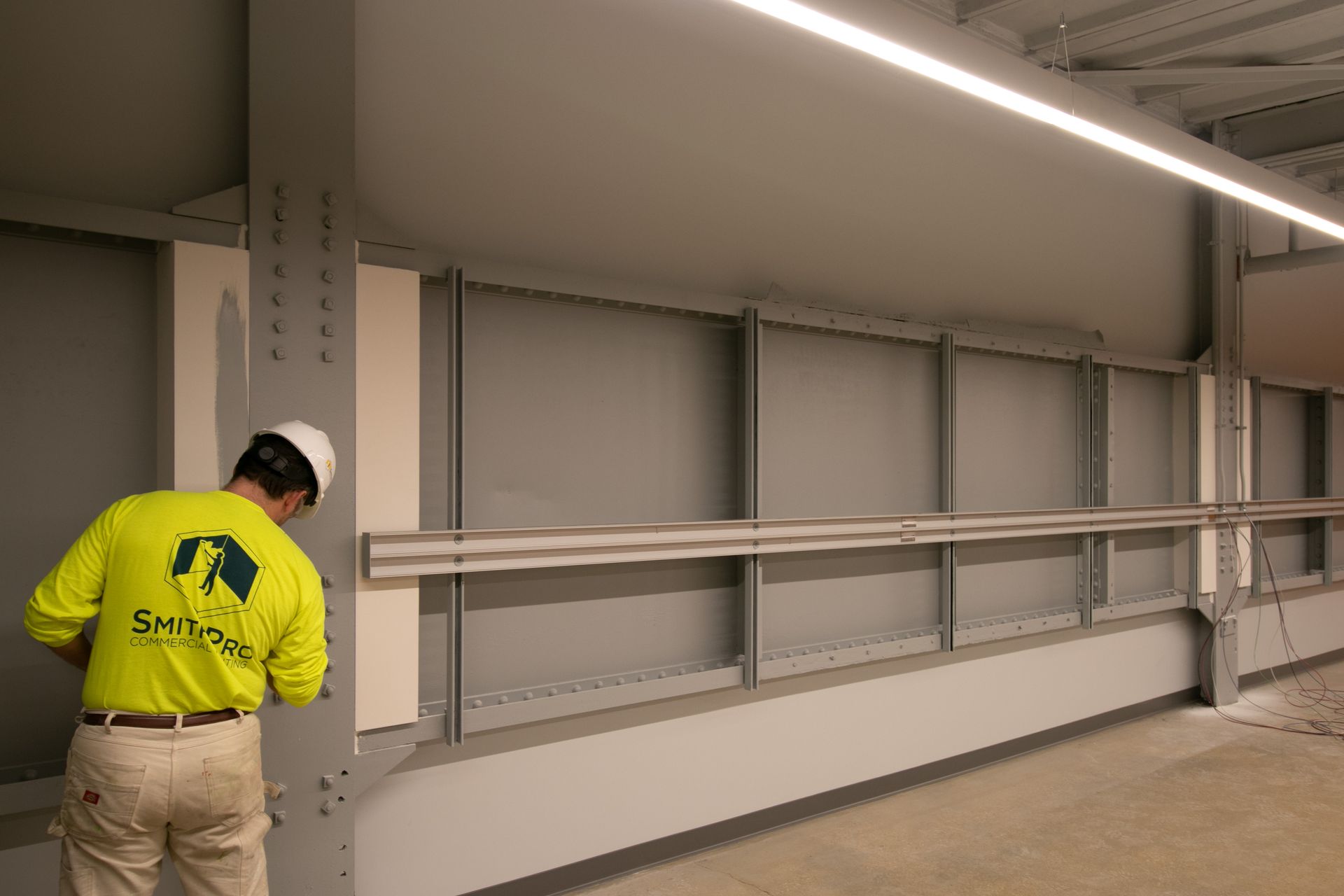
Surface area matters just as much as square footage. High ceilings, stairwells, exposed structural elements, and complex layouts increase access requirements and production planning.
The more surface there is to prepare and coat, the more coordination the project requires.
Surface Condition and Preparation Needs
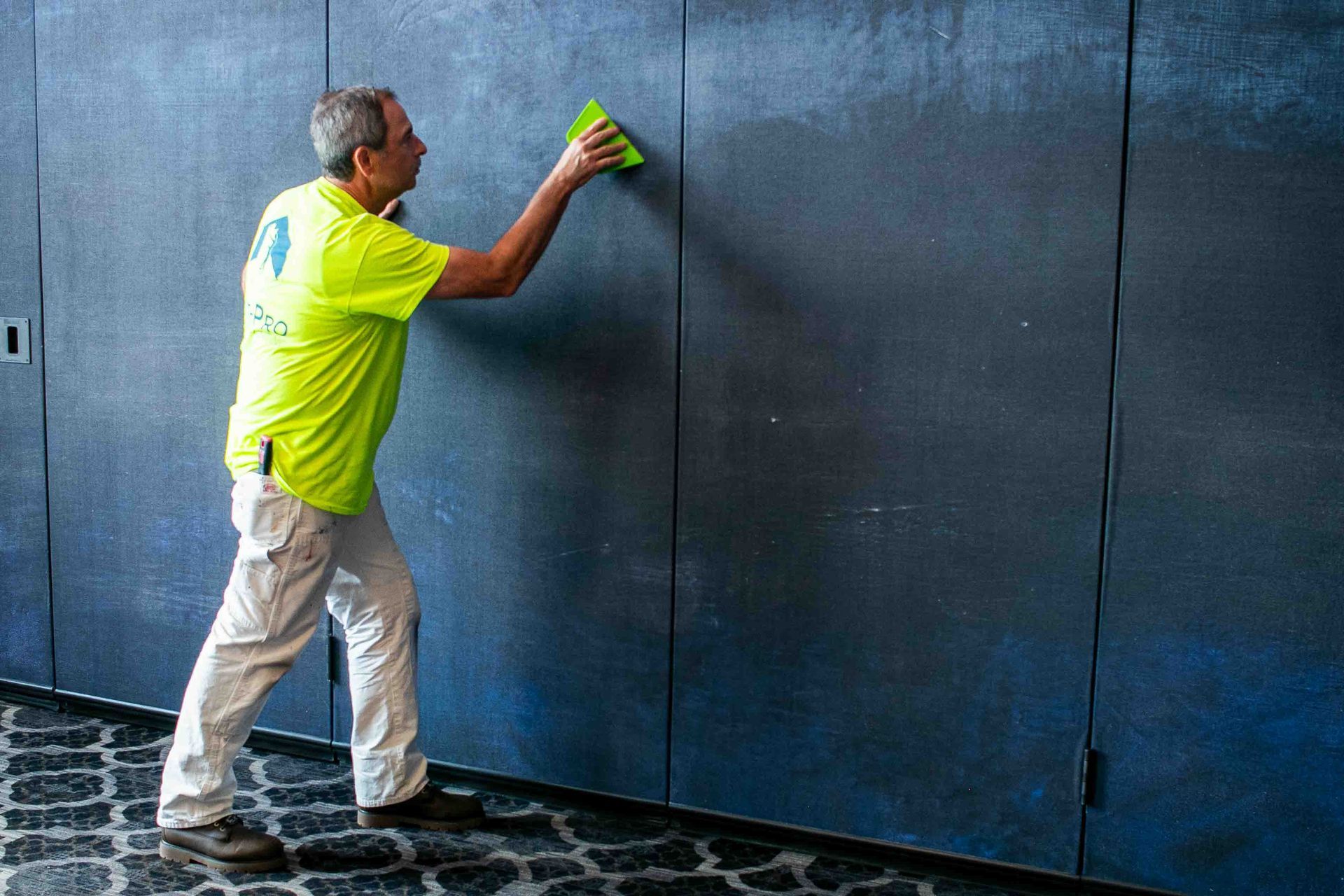
Surface preparation is one of the most important and often underestimated cost drivers in commercial painting.
If your walls, ceilings, or exterior surfaces show signs of wear, damage, or previous coating failure, preparation becomes more involved. This may include cleaning, patching, sanding, priming, or repairing substrate issues before paint is applied.
Proper preparation ensures adhesion, durability, and a professional finish. Skipping it may lower upfront effort, but it often leads to premature failure and costly repainting later.
Type of Paint and Coatings Used
Not all paint products perform the same, especially in commercial environments.
Specialty coatings designed for durability, cleanability, moisture resistance, or high-traffic conditions require a greater investment than basic products.
Interior and exterior coatings also differ significantly based on exposure to weather, UV light, chemicals, or frequent cleaning.
Choosing the right coating protects your building and reduces long‑term maintenance needs.
Interior vs Exterior Painting
Exterior commercial painting typically requires additional planning and protection.
Weather exposure, surface materials, access challenges, and environmental conditions all influence how exterior work is performed.
Exterior projects often require specialized coatings, surface treatments, and timing considerations to ensure proper curing and longevity.
Interior painting focuses more on coordination, cleanliness, and minimizing disruption to occupants.
Occupied vs Vacant Buildings
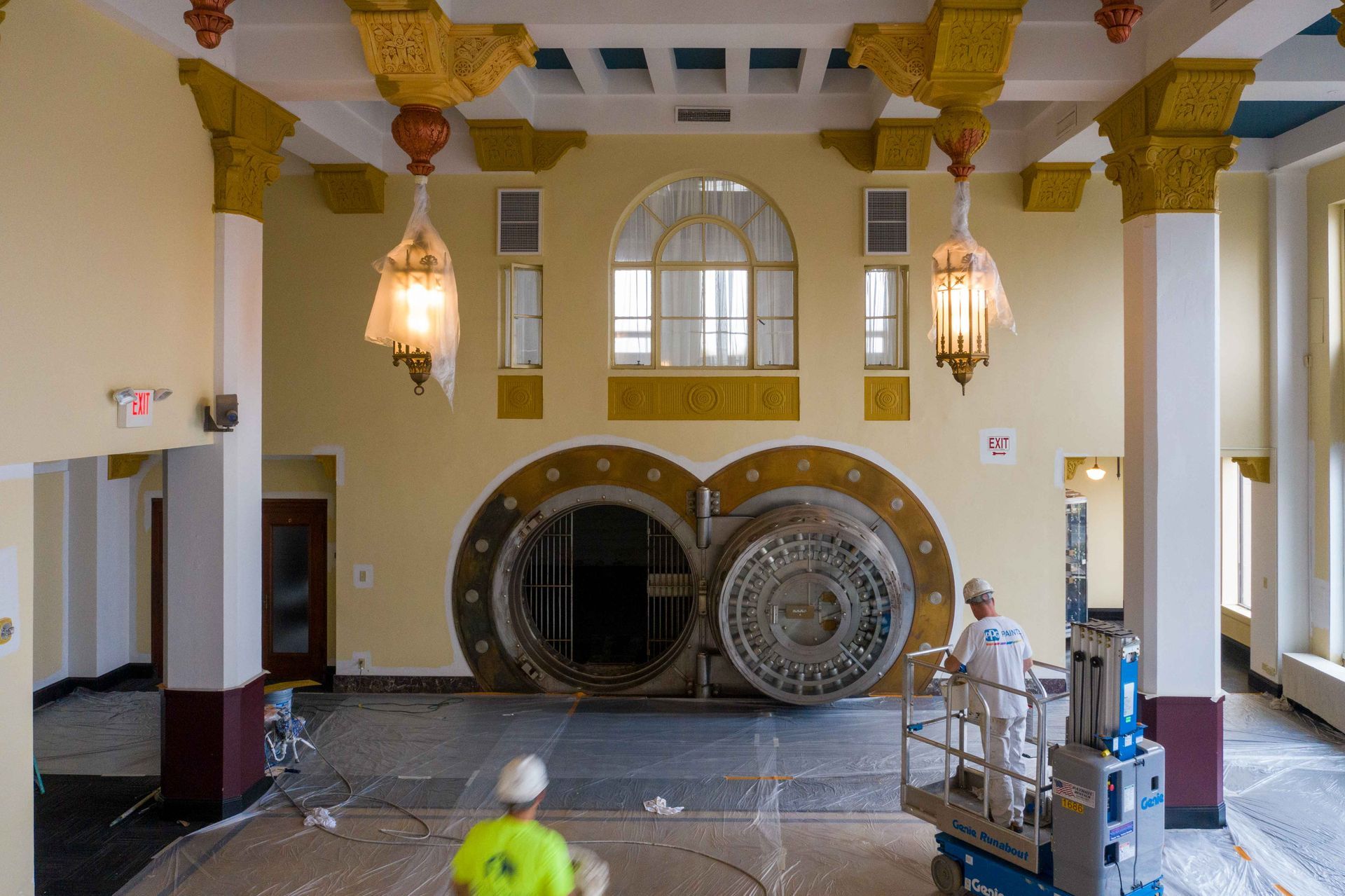
Painting an occupied commercial space requires careful planning and communication.
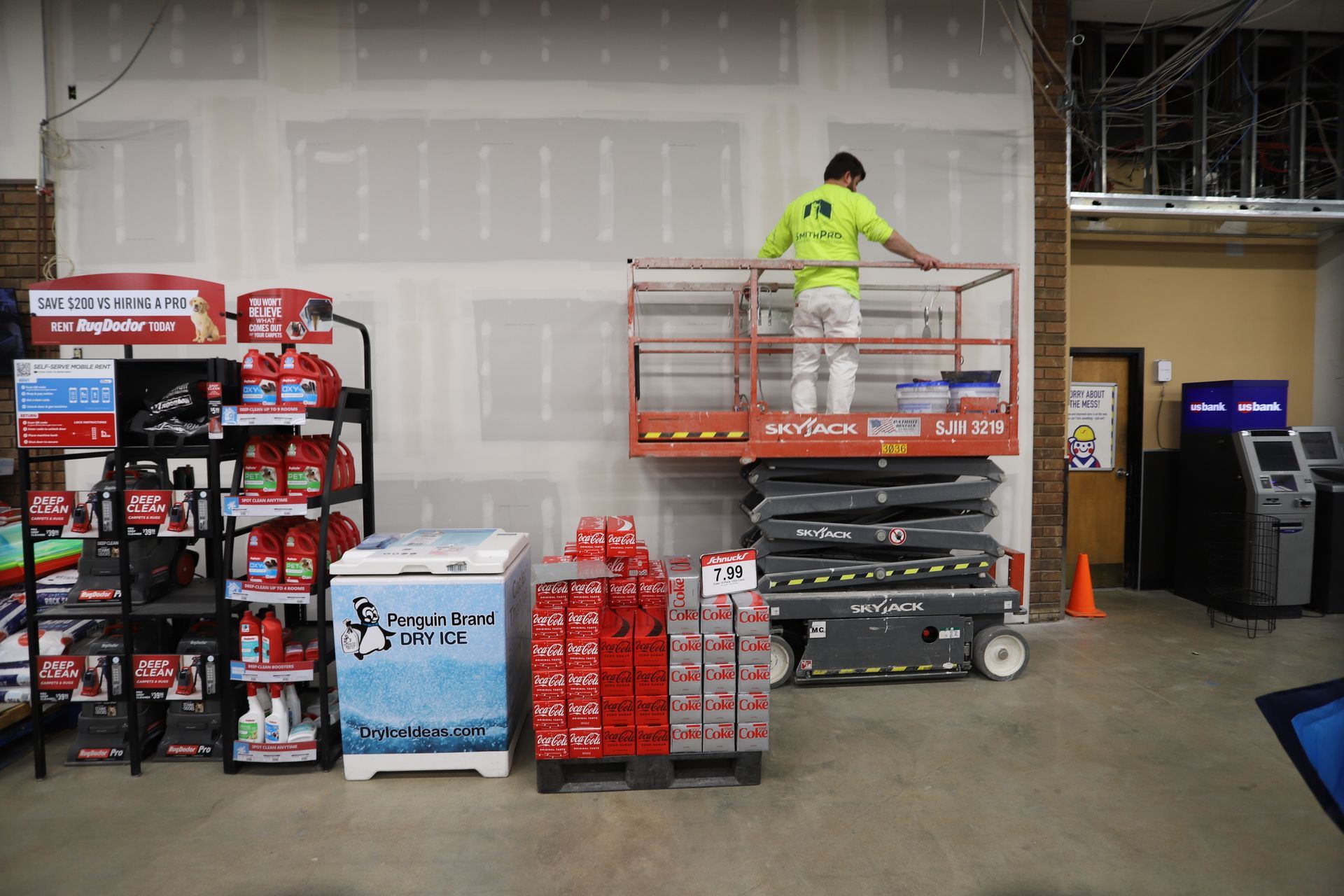
When your building remains operational, crews must work around employees, tenants, customers, or patients. This may involve off‑hours scheduling, phased work zones, noise control, safety measures, and additional protection of surrounding areas.
These considerations help keep your business running smoothly while work is completed safely and efficiently.
Scheduling, Phasing, and Access Constraints
Your project schedule directly affects how work is executed.
Tight timelines, limited access windows, or multi‑phase projects require additional coordination and manpower. Facilities that operate around the clock or serve the public often need flexible scheduling to minimize disruption.
Clear planning ensures the project stays organized and predictable from start to finish.
Safety and Specialized Environments
Some commercial environments require additional precautions and expertise.
Medical facilities, educational buildings, industrial spaces, and high‑traffic properties often involve enhanced safety protocols, specialized coatings, or strict cleanliness standards.
These environments demand experience, training, and attention to detail to meet compliance and performance expectations.
Ultimately, safety planning protects occupants, workers, and your facility.
Why Transparency Matters
Commercial painting is not about finding the lowest number. It is about delivering long‑lasting results without disrupting operations or creating future maintenance issues.
When your painting contractor explains what drives cost, you gain confidence in the process and clarity in decision‑making.
Transparency allows you to align scope, performance, and expectations from the beginning.
Frequently Asked Questions About Commercial Painting Costs
Why Does Commercial Painting Pricing Vary So Much?
Every building is different. Size, surface condition, coatings, scheduling, and safety requirements all influence how a project is planned and executed.
Can I Manage Costs Without Sacrificing Quality?
Yes. Strategic planning, clear communication, and selecting the right materials for your environment can help control costs while maintaining durability and performance.
Does Painting an Occupied Building Affect Cost?
Occupied spaces often require phased work, flexible scheduling, and additional protection measures, which can impact project complexity.
Are Higher‑Quality Paints Worth It?
In most commercial environments, durable coatings reduce maintenance, improve longevity, and perform better under daily wear and cleaning.
When Should I Involve a Commercial Painting Contractor?
Early involvement allows for better planning, realistic scheduling, and informed material selection before work begins.
Work With SmithPro Commercial Painting
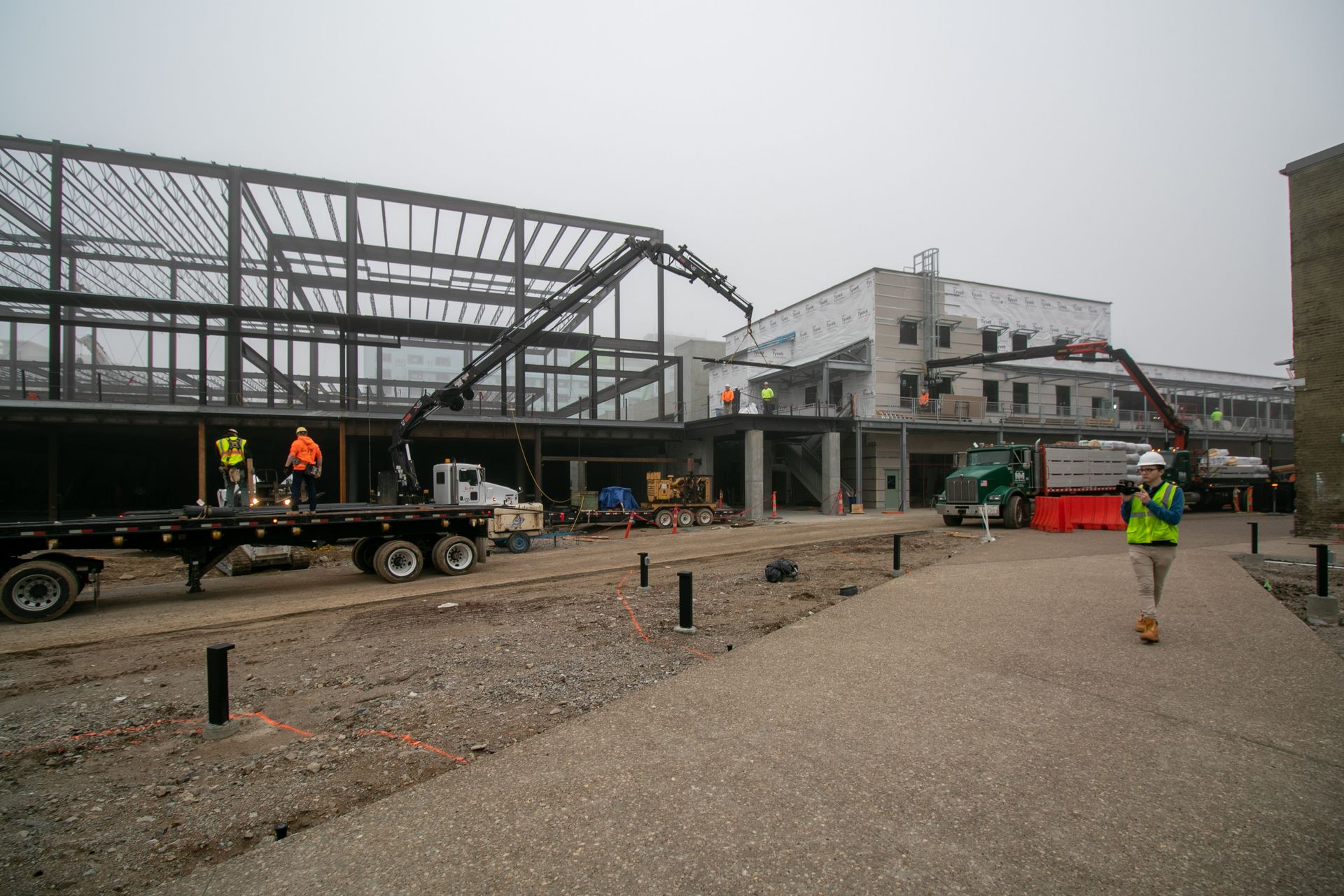
When you work with SmithPro Commercial Painting, you get more than a coat of paint. You get a team that plans carefully, communicates clearly, and executes with precision.
From surface preparation to final walkthrough, every project is built around your facility’s needs, schedule, and long‑term performance goals.
If you are planning a commercial painting project and want a process that makes your job easier, SmithPro Commercial Painting is ready to help.