The Benefits of Industrial Painting

Industrial facilities inevitably endure relentless wear and tear in industrial facilities, where machinery hums and production lines operate around the clock. Whether it’s the concrete floors subjected to heavy foot traffic and machinery loads, the metal structures battling corrosion, or the storage tanks holding volatile substances, maintaining the integrity of these surfaces is paramount for safety, efficiency, and longevity; this is where industrial paint steps in as a crucial component of maintenance and protection.
Durability and Protection
Industrial coatings must withstand extreme conditions and provide long-term protection against wear and tear. This resilience ensures that machinery and infrastructure remain operational and reliable, reducing downtime and maintenance costs.
Polyurethane, epoxy, and polyurea coatings excel in forming impermeable barriers that shield surfaces from chemical spills, abrasion from heavy machinery, and temperature fluctuations. Their ability to endure harsh environments prolongs the life of surfaces, safeguarding investments and promoting operational efficiency.
Combatting Corrosion
Corrosion is a persistent threat to industrial infrastructure, compromising structural integrity and posing safety risks. Consequently, corrosion-resistant coatings are crucial in preventing degradation caused by moisture, chemicals, and environmental exposure.
Zinc-rich primers and epoxy coatings provide robust protection for metal components, inhibiting rust formation and extending their lifespan. By creating a protective shield against corrosive agents, these coatings ensure the reliability and safety of industrial equipment and structures, even in demanding environments.
Versatile Applications
The diverse needs of industrial settings demand coatings tailored to specific surfaces and conditions. Therefore, epoxy coatings, renowned for their adhesion and chemical resistance, are ideal for protecting concrete floors from heavy traffic and chemical spills.
Similarly, polyurea coatings offer rapid curing times, minimizing downtime during application and maintenance. Their flexibility and durability make them suitable for various applications, from containment tanks to industrial equipment, providing reliable protection while optimizing operational efficiency.
Safety Enhancement
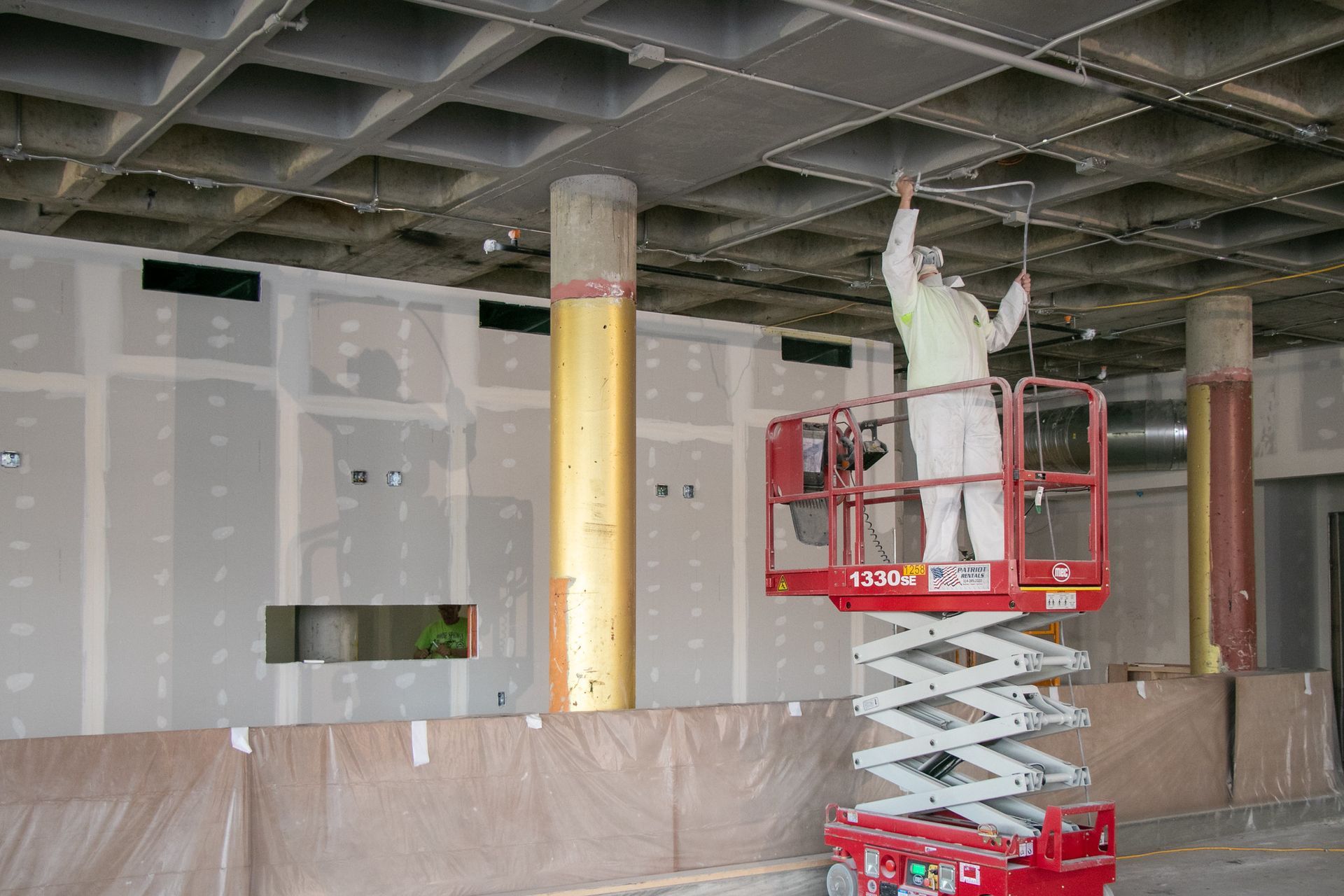
Safety is paramount in industrial environments, where hazards abound, and the risk of accidents is high. Non-slip coatings are crucial in mitigating the risk of slips and falls in high-traffic areas by providing enhanced traction underfoot.
Textured surfaces improve grip, ensuring stability even in wet or oily conditions. By promoting a safer working environment, these coatings reduce the likelihood of injuries, enhancing productivity and morale among workers.
Outdoor Protection
Outdoor infrastructure faces unique challenges, including exposure to UV radiation, extreme weather conditions, and thermal stress. To counter these challenges, UV-resistant and weatherproof coatings help preserve surfaces by preventing fading, cracking, and degradation caused by sun exposure and moisture. Thermal insulating coatings provide additional protection against thermal stress, minimizing the risk of structural damage.
These coatings safeguard outdoor infrastructure, ensuring long-term durability and functionality and reducing the need for frequent repairs and replacements.
Regulatory Compliance
Adherence to safety and environmental regulations is essential for industrial facilities to operate responsibly and avoid legal repercussions. Therefore, low VOC coatings help minimize emissions of volatile organic compounds, ensuring compliance with air quality standards and environmental regulations.
By prioritizing sustainability and environmental stewardship, industrial facilities can mitigate the risk of fines and penalties while demonstrating corporate responsibility and fostering trust among stakeholders.
Aesthetics and Branding
Industrial painting goes beyond functionality to encompass aesthetics and branding, contributing to a facility’s overall appearance and identity. Color coding is commonly used for safety purposes, helping to delineate hazardous areas and guide navigation within the facility.
Additionally, branding elements such as logos and corporate colors can be incorporated into the design, enhancing brand visibility and reinforcing corporate identity.
By maintaining a well-presented environment, industrial facilities project professionalism and attention to detail, leaving a positive impression on clients, visitors, and employees.
Work With SmithPro Commercial Painting
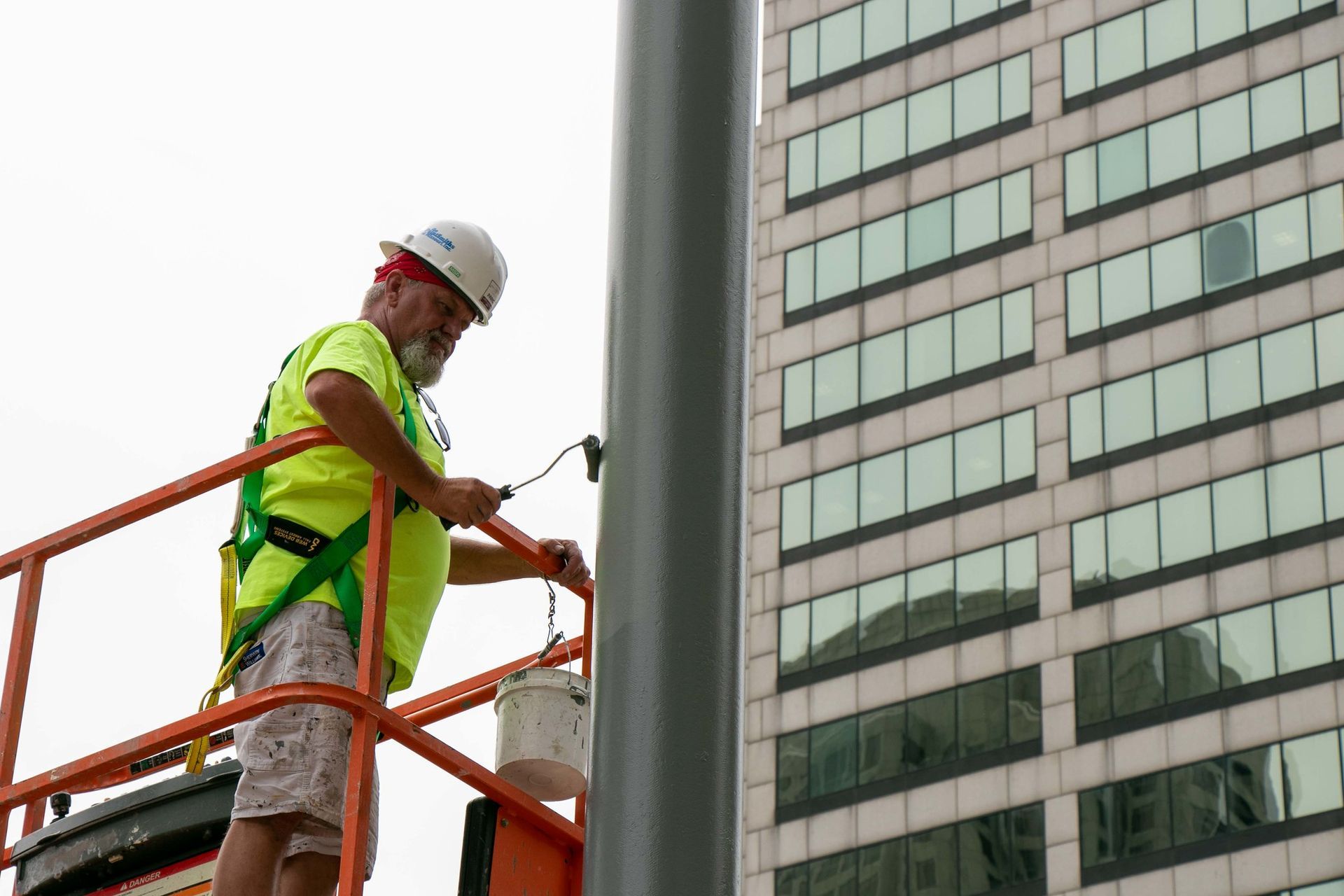
Our SmithPro Commercial Painting team is here to help protect and maintain your industrial facility. We have been serving commercial property owners in Greater St. Louis for decades – we can paint office buildings, schools, churches, retail stores, restaurants, you name it!
Our competitive pricing and high-quality craftsmanship set us apart and sustain our commitment to excellence. Let us help you with your painting needs, and contact us today!