When a Touch-Up Becomes a Repaint

For facility managers and property owners, paint is often viewed as an ongoing maintenance item rather than a one-time project. Walls get scuffed, corners experience wear, and high-traffic areas inevitably show signs of use. When these issues appear, a paint touch-up is often the quickest and most cost-effective solution.
In many cases, touch-ups are exactly the right approach. They help maintain a professional appearance, address isolated damage, and extend the life of an existing paint system. However, there comes a point when touch-ups no longer deliver the same value they once did.
The challenge for facility managers is recognizing when a series of small repairs has reached the point where a full repaint makes more sense. Understanding the tipping point can help organizations make smarter maintenance decisions, better manage budgets, and maintain a professional-looking facility.
Why Touch-Ups Are an Important Part of Facility Maintenance
Touch-ups play an important role in a proactive maintenance strategy.
Commercial facilities experience constant wear and tear. Employees, customers, equipment, carts, deliveries, and everyday operations all contribute to surface damage over time. Addressing isolated scuffs, scratches, dents, and stains can help preserve appearances and prevent a facility from looking neglected between major painting projects.
In many situations, touch-ups provide excellent value. They allow maintenance teams to address specific problem areas without the cost and disruption associated with repainting an entire space. They also help protect previous investments by extending the useful life of an existing paint system.
The key is understanding that touch-ups are designed to supplement a paint system, not replace the need for future repainting altogether.
The Challenges of Matching Older Paint
One of the most common challenges with repeated touch-ups is achieving a consistent appearance.
Even when the original paint color is known, matching older paint perfectly can be difficult. Paint naturally changes over time as it is exposed to sunlight, cleaning chemicals, moisture, dust, and everyday wear. Surfaces may fade subtly or develop slight variations in color and sheen that are not immediately obvious until fresh paint is applied next to them.
In some cases, the original paint product may no longer be available. In others, the paint can be matched closely but still appears different because the surrounding surface has aged.
As a result, touch-ups that once blended seamlessly may become increasingly noticeable as a paint system gets older.
Signs That Touch-Ups Are Becoming Too Noticeable
There are often visual clues that indicate a space may be approaching the point where a repaint should be considered.
For example, a wall that contains multiple patched sections may begin to look inconsistent, even if each repair was completed properly. Differences in sheen, texture, and color can create a patchwork appearance that draws attention instead of hiding damage.
High-visibility areas such as entrances, reception areas, hallways, and conference rooms are especially susceptible to this issue. These spaces often serve as first impressions for visitors, customers, tenants, and employees.
When people start noticing repairs rather than the facility's overall appearance, touch-ups may no longer accomplish their intended purpose.
When Repeated Repairs Start Increasing Costs
Touch-ups are generally less expensive than a full repaint, but that does not mean they always provide the best long-term value.
Over time, labor costs associated with repeated repairs can add up. Maintenance teams may revisit the same areas multiple times each year. Contractors may be called back repeatedly to address recurring concerns. Scheduling and coordinating these repairs can also consume valuable time and resources.
At some point, organizations may find themselves spending significant amounts of money maintaining an aging paint system without achieving the appearance they want.
When repair frequency continues to increase while results become less effective, it may be time to evaluate whether a complete repaint would provide a better return on investment.
High-Traffic Areas Reach the Tipping Point Faster
Not all areas of a facility wear at the same pace.
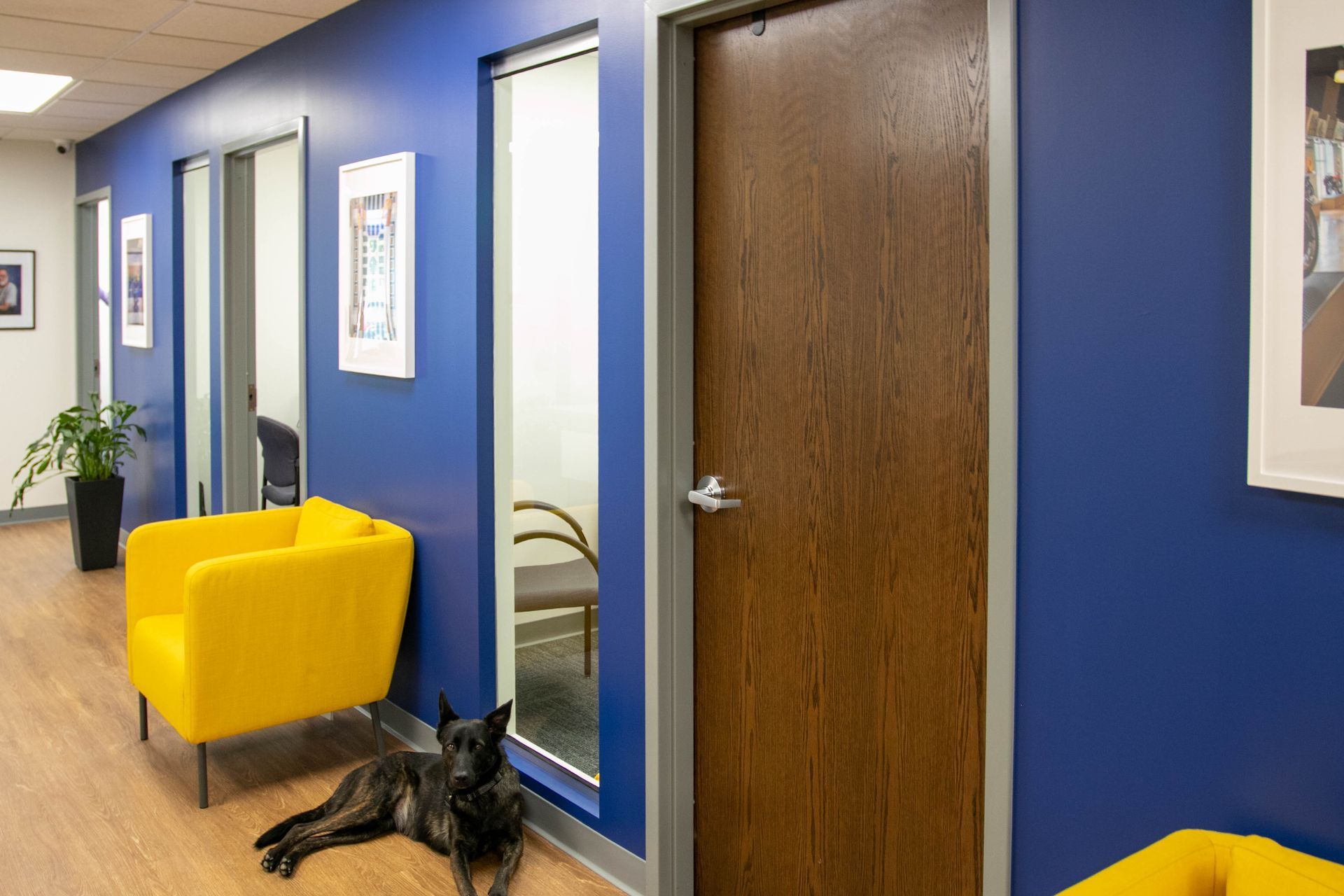
Certain spaces naturally experience more traffic, more contact, and more abuse than others. Hallways, stairwells, entrances, break rooms, loading areas, and common spaces often show signs of wear more quickly than private offices or low-traffic rooms.
Because these areas are constantly being used, they may require touch-ups more frequently. Over time, repeated repairs can create noticeable inconsistencies that detract from the facility's overall appearance.
Facility managers should pay particular attention to these high-use areas when evaluating whether a repaint is becoming necessary. Often, they provide the clearest indication of a paint system's overall condition.
The Benefits of a Full Repaint
While repainting requires a larger upfront investment, it can provide several advantages that touch-ups cannot.
A full repaint creates a consistent appearance across an entire space. Color, sheen, and texture remain uniform, helping the facility look cleaner, more professional, and better maintained.
Repainting also provides an opportunity to evaluate whether existing products are still the best fit for the environment. Advances in commercial coatings may offer improved durability, cleanability, and long-term performance compared to products applied years earlier.
In addition, a fresh coat of paint can improve employee perceptions, enhance customer experiences, and support a more positive first impression for visitors.
Viewed through a long-term lens, repainting is often an investment in both facility appearance and asset preservation.
Planning Ahead Helps Avoid Difficult Decisions
The best time to think about repainting is long before it becomes urgent.
Regular facility assessments can help identify patterns that suggest a paint system is nearing the end of its effective lifespan. Tracking where touch-ups occur, how often repairs are needed, and which areas continue showing wear can provide valuable insight into future needs.
Creating a long-term painting plan can also help facility managers spread costs over time and avoid unexpected budget challenges. Rather than reacting to deteriorating conditions, organizations can make informed decisions based on the condition of their facility and their operational goals.
Knowing When It's Time to Call The Experts
Touch-ups remain one of the most valuable tools in a facility maintenance program. They help control costs, preserve appearances, and address isolated damage quickly and effectively.
However, every paint system eventually reaches a point where touch-ups become less effective at maintaining a consistent appearance. When repairs become increasingly visible, costs continue to rise, and high-traffic areas begin showing widespread wear, a full repaint may provide better long-term value.
SmithPro Commercial Painting helps facility managers and property owners evaluate paint conditions, develop maintenance strategies, and determine when a repaint offers the best value.
Contact our team today to discuss your facility's painting and maintenance needs.