Preparing Your Vacant Commercial Building

Commercial buildings that have been left vacant or largely unused for extended periods of time present a maintenance challenge in order to get them ready for occupancy again. Whether it’s a newly acquired property or one that’s undergoing a transition or rezoning, there are some important steps that need to be taken to keep the building safe and healthy for everyone.
Perform an Inspection
From the outside in, perform a thorough inspection of the property. Windows and doors need to be functioning properly, check on major systems like HVAC and plumbing, and ensure that all fire safety features are in order. Assess the walls and paint condition as well as any signage or branding that needs to be updated. On the exterior, make notes of landscaping and groundskeeping tasks that need to be taken care of.
Schedule Repairs
Once you’ve compiled a list of what needs to be repaired and replaced, lay out a realistic schedule and budget to get it done. Depending on what made the list, facility managers need to be strategic about costs and the sequence of repairs. Communicate with your contractors about the other projects going on in the building while they’re working so there’s no delay. Add a margin of a few days to allow for any time overrun that may occur — you don’t want to keep business doors from opening as planned.

Fix Up the Floors
This is also a great time to take a look at ways to improve the flooring in your commercial building, while the foot traffic is at a minimum and any flooring upgrades wouldn’t cause costly downtime. Whether it’s for safety, hygiene, or aesthetic reasons, new flooring can be a small improvement that turns out to be a big investment. Concrete flooring doesn’t take much to look like new again; a team of professionals with specialized tools can create magic. Additionally, floor painting is a great way to support social distancing in facilities and retail stores that are working to keep occupants safe and healthy during this “new normal.”
Work on the Walls
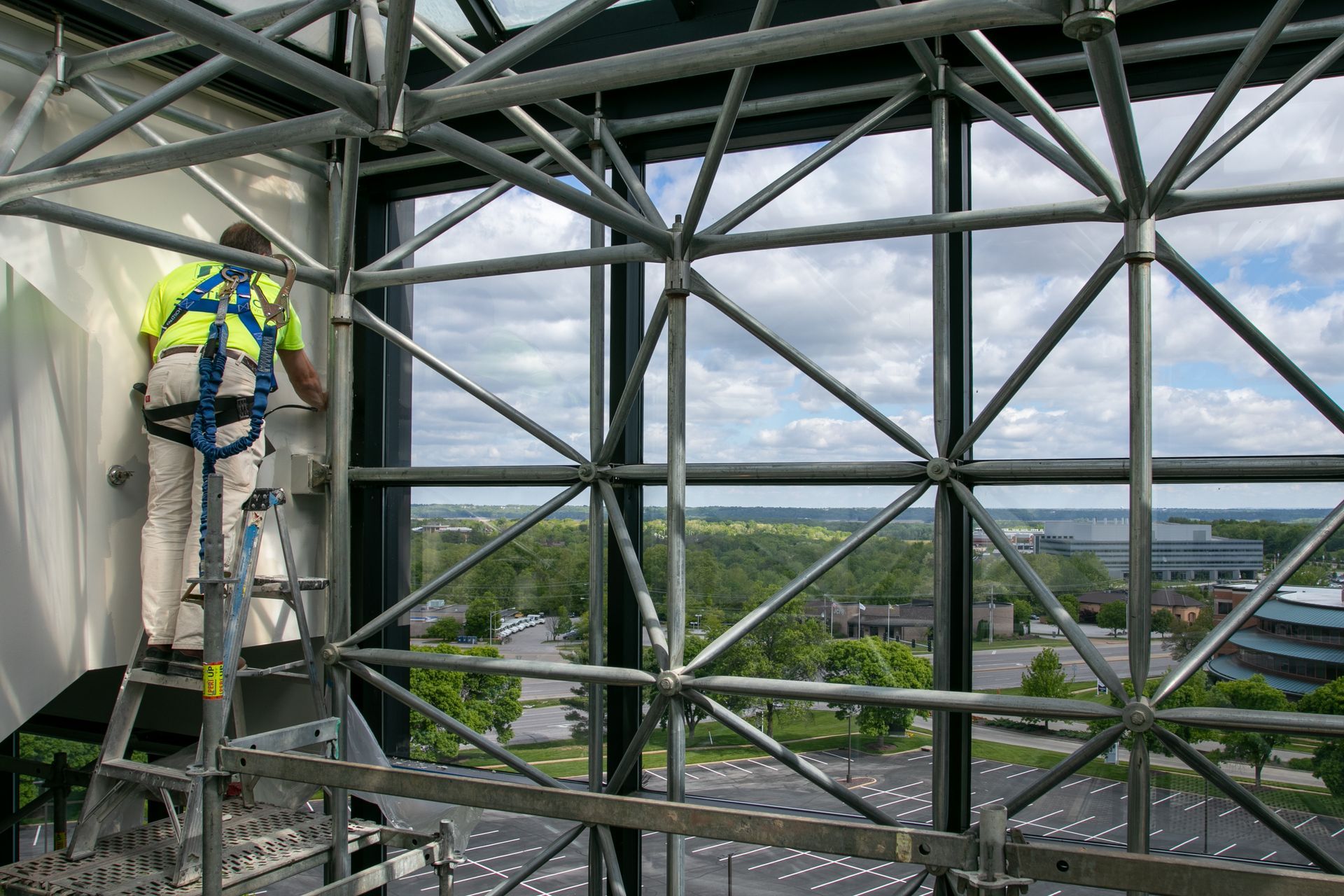
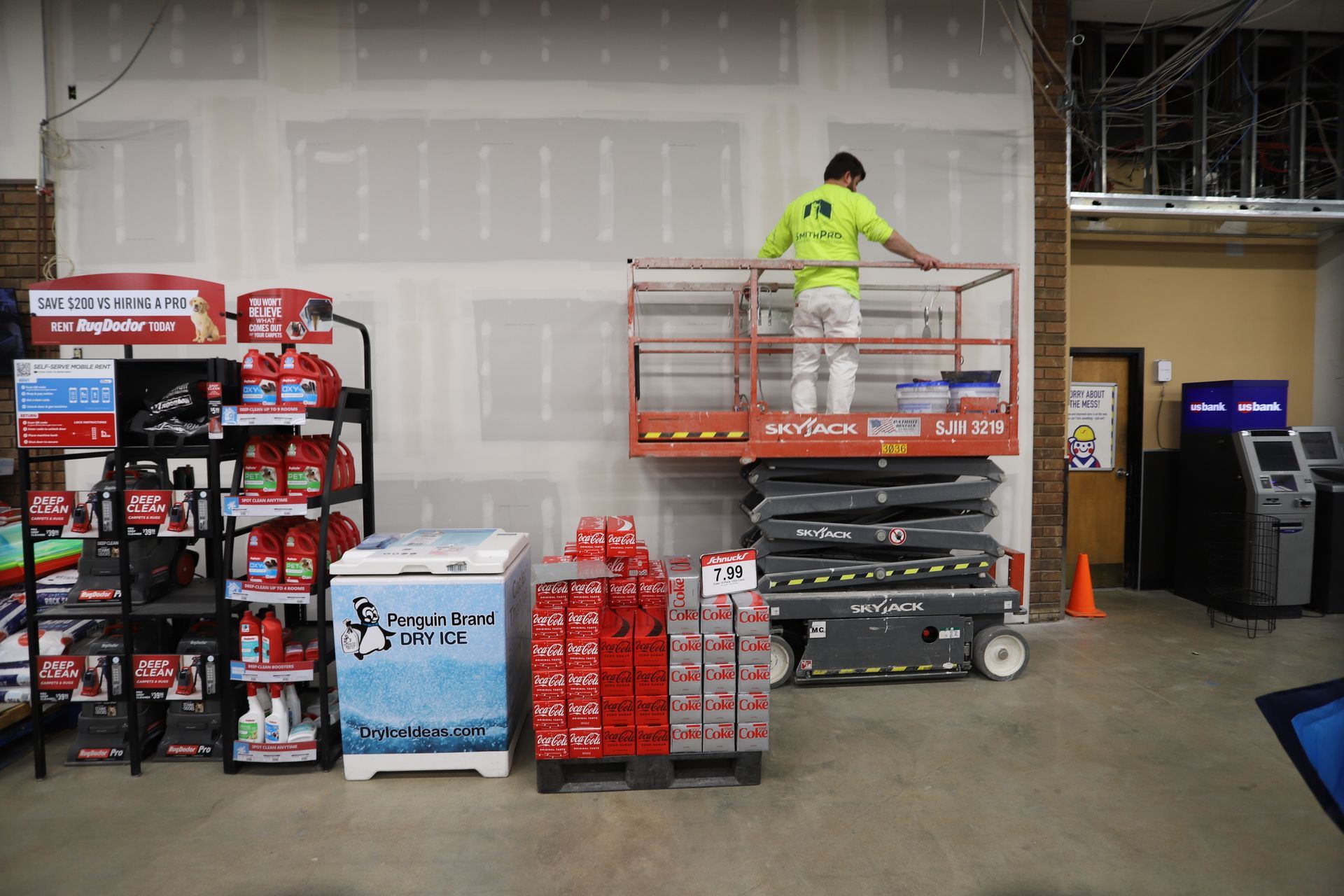
Even if you think that the interior paint is in decent condition or it hasn’t been that long since it was last updated, it’s probably smart to take advantage of vacancy to repaint or recover walls. While it’s possible to paint occupied spaces, it’s a much more complicated process and presents a risk to occupants. If you’re changing the way your workspace is laid out, now is when you’ll want to call in a team that will help create wallcoverings that redirect workers in ways that keep them socially distant and safe.
Focus on Efficiency
If you’ve been looking for a good time to improve the energy efficiency of your property, now is the time to do it. Small moves like upgrading to LED lighting and sensors that help turn off the AC when nobody’s there can produce big energy costs savings and support overall sustainability. Even changing the color of your building’s exterior paint can change how efficient the HVAC system functions.

Add A Finishing Touch
Is there a special feature or project that you’ve been thinking about? While your building is vacant, speak to the professionals about if now is a good time to complete that project. The right commercial paint contractor can have access to tools like a photo booth that allows them to apply their expert skills to any item that fits within that booth. Match patio furniture to the colors in your logo or cabinetry with existing decor. The small details can bring your building together in major ways.
Take Pictures
If you’re preparing a vacant commercial building to sell, new pictures will act as the ultimate marketing campaign. With so many people beginning their commercial property search online, it’s important to catch their attention and showcase the work that’s been put into improving the property. It’s also another tool that owners can use to attract potential tenants and keep rental revenue flowing. In fact, take before and after pics to really highlight new wallcoverings, freshly polished floors, and a reputation for maintenance (something that all landlords should cultivate).