Painting a Grocery Store

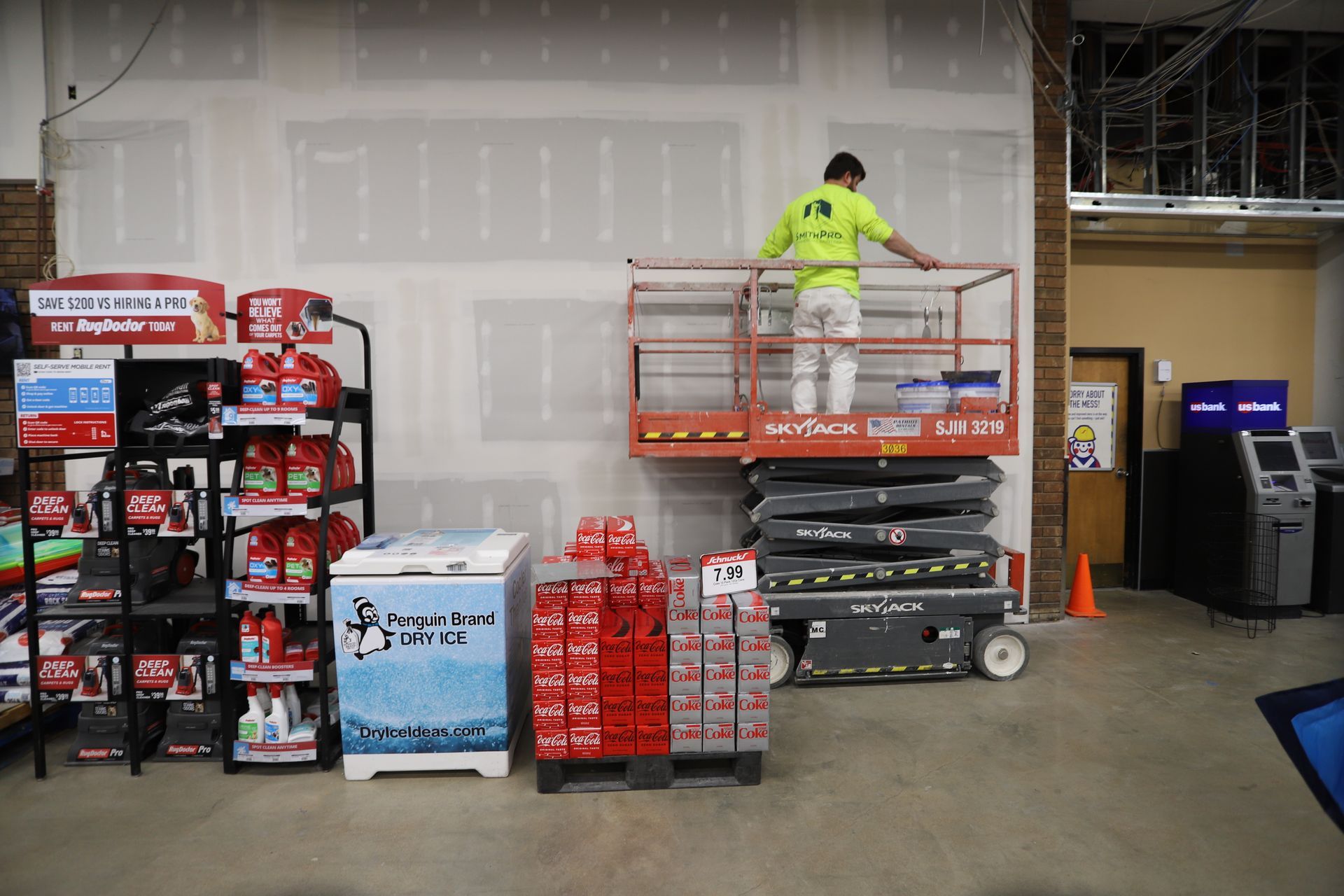
Like with all commercial painting projects, there’s plenty to consider when it comes to painting the interior of a grocery store. Not only is it an expensive project, but your business may also have to shut down for a few days to get it done the right way. Before you decide if it’s the right move for you, think about these factors.
Painting a Grocery Store, Does the Paint Need to be Refreshed?
The biggest sign that your grocery store needs new interior paint is its current quality. Is the paint chipped, cracked, or peeling? Is it dirty beyond the point of being cleaned? Is it giving off the wrong impression to shoppers? You could lose sales if customers walk in and see that your grocery store is dingy looking — after all, that’s where they buy their food. Just like with any other aspect of your store (the coolers, shelves, and checkout aisles) your paint needs to show that you’re maintaining the building.

Consider the Competition
Many times, your grocery store isn’t the only option and you have some competition. You can take great strides in offering better quality items and customer service than those “other” stores, but if your paint isn’t appealing, you could lose out on some major profits. Before deciding whether you need interior painting services or how to choose colors, do a bit of detective work. Walkthrough your competitor’s building looking closely at the condition of the walls and the ceiling and see how it compares to your store.
Hire the Right Contractor
Not all commercial paint contractors are created equal, and it’s important to research your options to ensure you’re making the right choice. Asking the right questions (and getting answers) will help you determine if a contractor is a good fit. Find out about the types of paint available and the cleaning products used afterward to make sure they’re food-safe. Look into their insurance and satisfaction guarantees, too.
Update Colors
Color trends move fast, and what once worked to appeal to shoppers 10 years ago might now be outdated. If your logo or branding has changed, you should also talk to your contractor about updating colors to match. Remember that there’s also some psychology behind color choices — red, yellow, and orange are the most appetizing, but use them sparingly to highlight sales and specials. On the other hand, dark green can make customers think you’re greedy for their money.
Budget Accordingly
After you’ve spoken to your contractor and gotten an estimate for the work, think about whether your grocery store needs to be closed for a few days to get the job done. If that’s the case, make sure your cash flow situation won’t be too deeply impacted by business disruption. Talk about this timeline with your contractor and work closely with them to ensure the job is done on time and budget. Communicate during the process to avoid any costly delays.

Consider the Exterior, Too
While you’re working to improve the interior, it’s probably a good idea to have the exterior of your store updated at the same time. While this might increase the upfront cost of your painting services, it gives your grocery store a refreshed look that will catch the attention of shoppers and tempt them to come inside and see the work inside. Exterior painting also reduces maintenance costs and helps protect the value of your building.
Communicate with Customers
Once you’ve nailed down the finer points of the painting project, let your customers and employees know what will be happening. Not only will this help create a sense of excitement that will boost marketing efforts, but they can also plan accordingly and feel less inconvenienced by any closures or delays. When the work is over, throw a grand re-opening party to show off the exciting new changes.
Ready to breathe new life into your grocery store? Paint is like clothing. Are you looking professional or frumpy? Does your interior paint have that tired look? Is it time to set a new tone in your space and protect it for years to come? We are dedicated to competitive pricing combined with the highest quality union workmanship and responsive service. We continuously earn your loyalty by controlling costs, making your life easier and making you look great doing it! Get in touch with our team to request a quote today.