Hiring a Painting Contractor for Your Church or Religious Institution

Even though SmithPro Commercial Painting is known throughout eastern Missouri and western Illinois for our residential and commercial painting work, we’re much more than that. We apply the lessons we’ve learned over many years to educational institutions and houses of worship as well, and have built trust through the quality of our work as well as the care with which we approach every project. If you’re in need of paint for anything from the smallest classroom or professorial office, to the largest cathedral, you will find that we have the people, equipment, and skill for the job.
Our Process
A not-for-profit institution like a church, chapel, or parochial school deserves the same attention, respect, and care as our biggest commercial painting client or most demanding homeowner. With that in mind, we will schedule an initial meeting to discuss the scope of the project, your colors and materials, and any special concerns you bring to the table. We’ll return with a quote, and if you accept it, work commences on a schedule that minimizes disruption. If that means working on weekends (for a school) or during the week to prevent interruptions to worship services, so be it.
Additional Services Offered
The scope of our work often extends beyond paint, and beyond the “usual” work on walls, trim, and ceilings. Not only will we prep all painted surfaces and make minor repairs to drywall or various types of wall protection, we can also install dry erase board walls and other types of custom surfaces as your needs dictate.
Your Questions, Answered
What Will You Need From Us?
In a religious setting, we understand that there are often items that need to be moved with extreme care. We ask you to handle the smaller items, and to communicate your concerns and expectations with any of the larger items we’ll be moving for you.
What Equipment Do You Use?
While we’re diligent about cleanup, one way we protect the workspace is by limiting dust and debris in the first place. That means using dustless sanders, HEPA filters, zero-VOC products, and all appropriate professional and safety equipment.
Who’s Completing the Work, and How Long Does It Take?
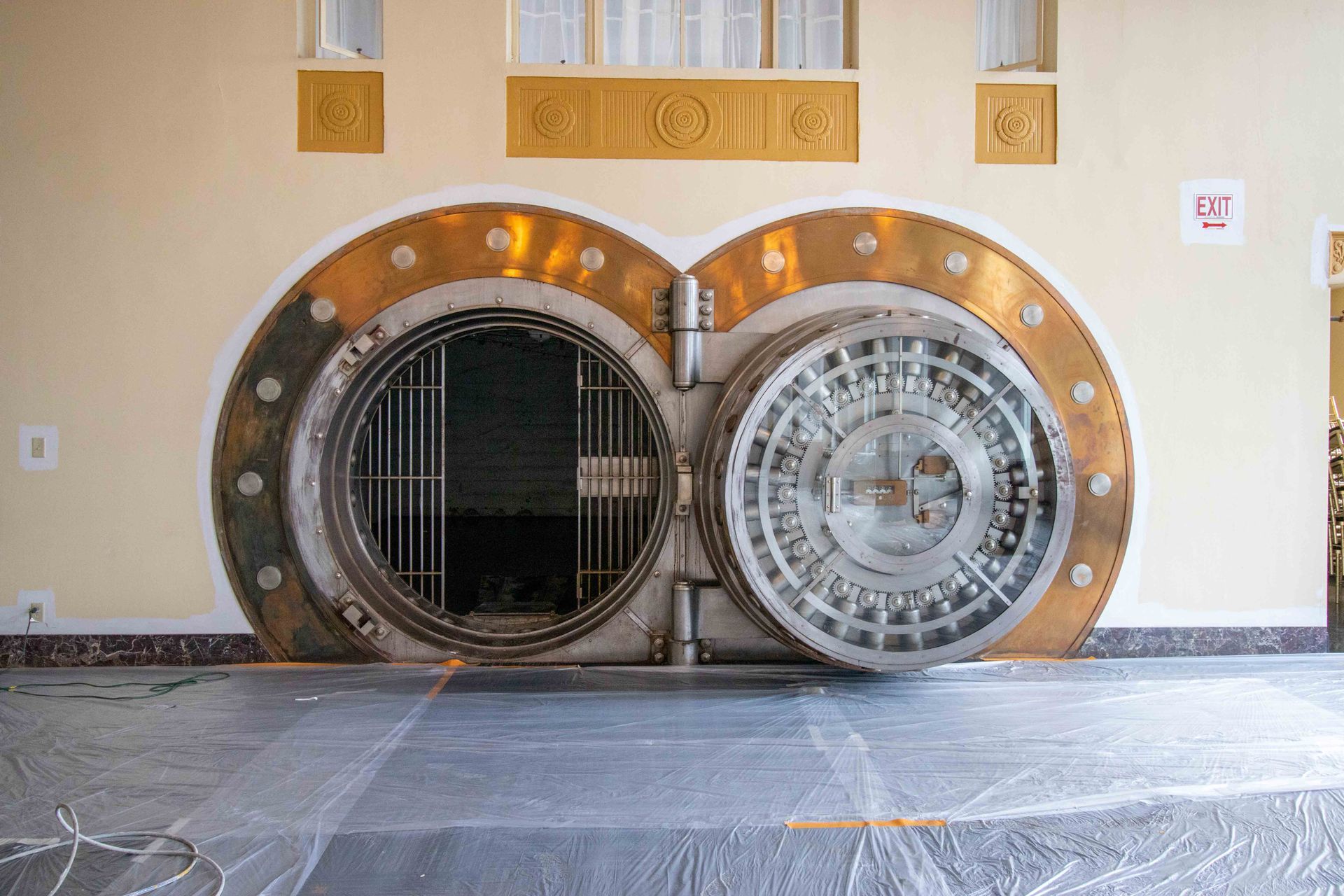
We have a team of 30, each with an average of seven years’ experience. That team handles about 1,000 projects per year. The duration of your project will depend on its size and complexity; this is especially true in older buildings with complex architecture or extensive ornamentation.
What Does This Cost?
SmithPro Commercial Painting is proud to be a union painting contractor. That means you get professionalism and high standards of workmanship, which in turn means easier maintenance and less-frequent painting. What it does not mean is higher cost; our experience leads to better efficiency, more accuracy, and more satisfied customers, all at a competitive price.
You are likely to have additional questions — as will we. With that in mind, we invite you to contact SmithPro Commercial Painting to consult painting for your religious or educational institution. We will review your needs and the scope of your project, deliver our best work, and ensure that everything returns to its right place. To get started, call (314) 279-0028 today.