Why Restaurants and Hospitality Spaces Should Repaint More Often

In the competitive world of hospitality, first impressions are everything.
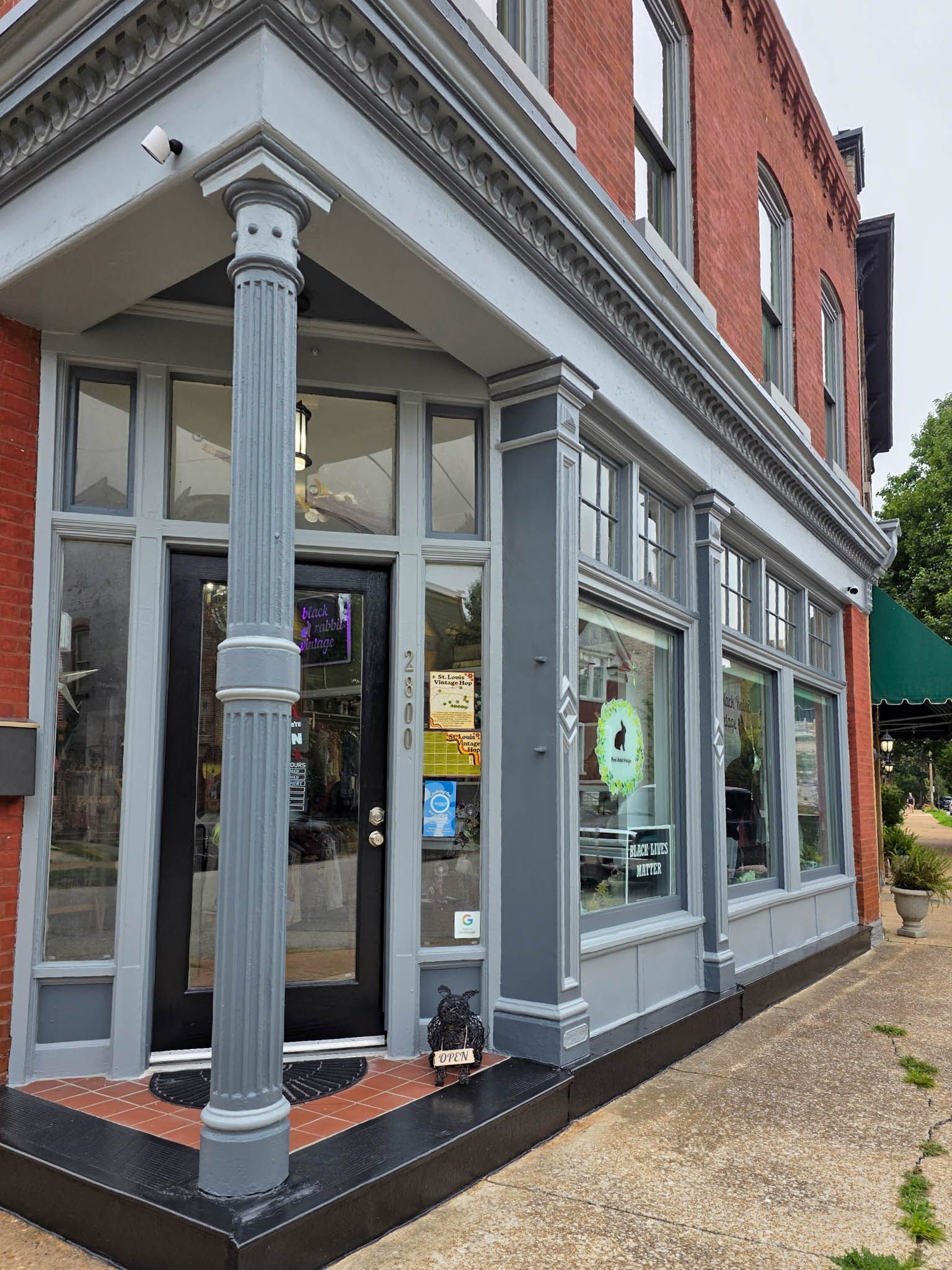
Whether you're managing a modern café, a high-end restaurant, or a boutique hotel, the appearance of your space has a significant impact on how guests perceive your brand.
One of the most effective yet often overlooked ways to maintain and enhance your business's visual appeal is through regular repainting.
Unlike office or warehouse environments, hospitality spaces endure heavy foot traffic, exposure to food and beverage spills, and high humidity. These conditions can cause rapid deterioration in wall finishes and painted surfaces.
For businesses that rely on atmosphere and customer experience, neglecting to repaint can lead to a space that looks outdated, worn, and uninviting.
Here's why repainting more frequently should be a top priority for restaurants and hospitality businesses.
Cleanliness and Hygiene
Customers associate clean walls with clean spaces.
In restaurants and hotels, where hygiene is closely linked to customer trust, worn or stained walls can leave a bad impression. Scuff marks, grease stains, and discoloration are common in high-traffic and high-moisture areas like kitchens, bathrooms, and dining rooms.
Using the right finishes, such as satin or semi-gloss paint, makes it easier to clean surfaces and maintain a fresh look between repaints.
By scheduling regular repainting, you not only maintain a clean appearance but also make sanitation more manageable for your staff.
Reinforce Brand Identity
The colors and finishes in your space speak volumes about your brand.
Bold accent walls can energize a room, while soft neutrals can make a space feel calm and upscale. Over time, however, paint fades—especially when exposed to sunlight or constant cleaning.
Refreshing your paint allows you to reinforce your brand message and maintain a consistent aesthetic that matches your décor, marketing materials, and overall customer experience. It's a cost-effective way to keep your business environment aligned with your identity.
Repair Wear and Tear
Restaurants and hotels see more physical contact with walls than most commercial spaces. Chairs and tables bump into them, luggage scrapes along hallways, and everyday use leads to dents, chips, and scratches.
Repainting provides an opportunity to address these issues, smoothing out imperfections and reinforcing the durability of your walls.
It also helps protect surfaces from moisture damage, mildew, and other problems that can arise if paint is allowed to degrade over time.
Keep the Space Fresh and Inviting
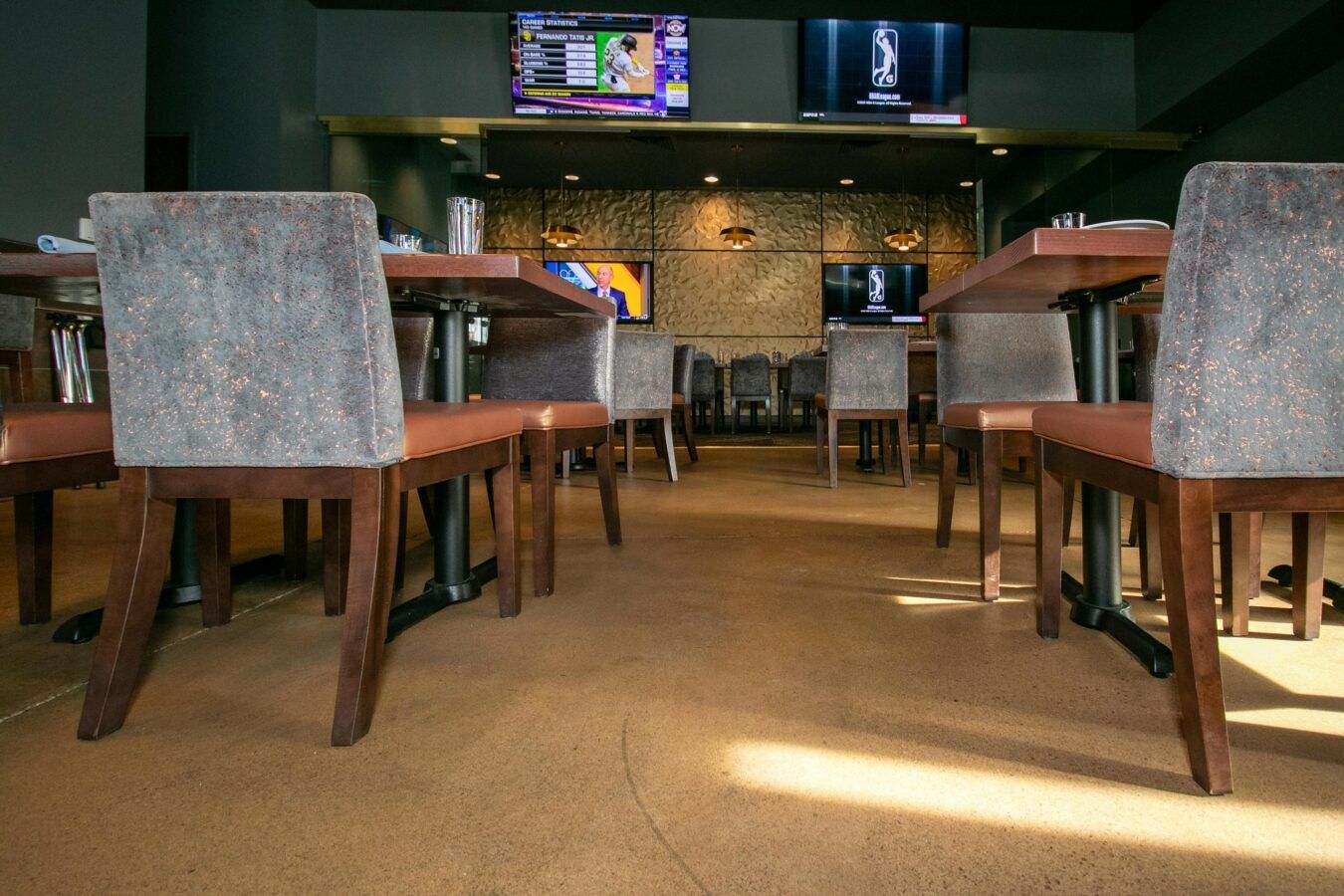
The hospitality industry thrives on ambiance and the customer experience.
Returning customers are more likely to notice when a space feels tired or dated. Regular repainting can help you implement seasonal updates or change color schemes to keep your environment feeling modern and inviting.
Whether you're promoting a new menu, refreshing a hotel lobby, or revamping a bar area, paint is one of the most affordable and impactful tools to achieve a visual reset.
Stay Competitive and On-Trend
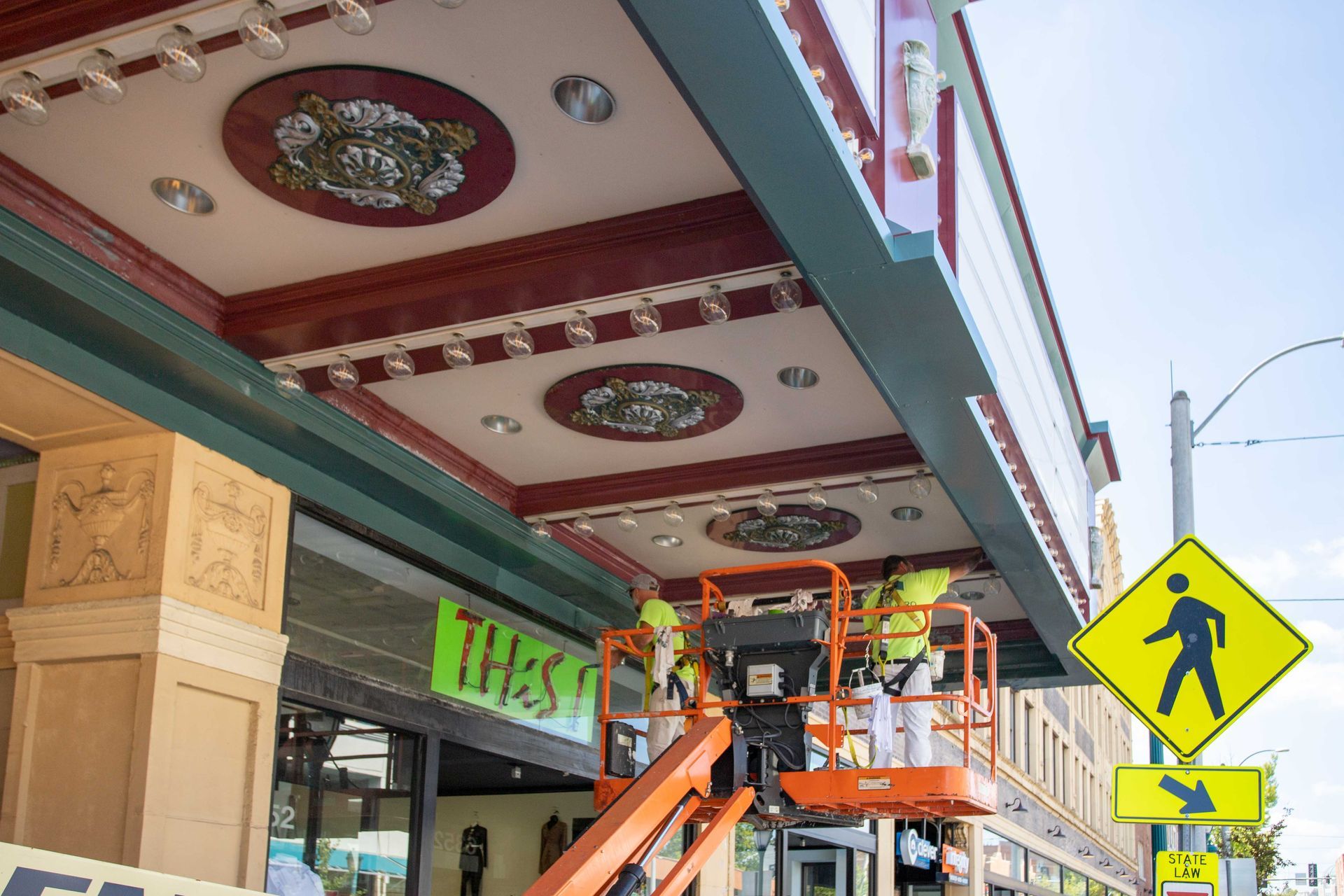
Color trends shift every few years, and interior design preferences evolve quickly in the restaurant and hospitality sectors. What felt chic five years ago might now appear outdated to today's clientele.
If you haven't updated your paint scheme in a while, you may be unintentionally signaling to guests that your business is behind the times.
A fresh coat of paint in a contemporary color palette can dramatically elevate the perceived value and professionalism of your space.
Choosing the Right Commercial Painting Partner
Repainting a hospitality space requires more than a basic understanding of colors and brushes.
You need a painting partner that understands your business environment, minimizes downtime, and works with materials suited for high-traffic, high-humidity areas.
A professional commercial painting company will:
- Use quick-drying, low-odor paints to reduce disruption
- Offer weekend or nighttime painting services
- Recommend finishes and coatings that are easy to clean and maintain
- Provide detailed surface prep and repairs before applying new paint
- Offer guidance on color trends and branding alignment.
The right painting contractor will help you plan the job efficiently while keeping your operations running smoothly.
How Often Should You Repaint?
While every space is different, here are some general guidelines for repainting in restaurants and hospitality environments.
- Dining Rooms: Every 2–3 years
- Kitchens: Every 1–2 years
- Hotel Guest Rooms: Every 3–4 years
- Bathrooms and Restrooms: Every 1–2 years
- Reception and Lobby Areas: Every 2–3 years
If you notice chipped paint, discoloration, or persistent wall stains, it's probably time for an update—even if you've painted within the last few years.
Work With SmithPro Commercial Painting
Repainting is a powerful and cost-effective way to refresh your restaurant or hospitality space.
It improves cleanliness, supports branding, enhances customer experience, and keeps your property looking its best. Investing in frequent repainting not only maintains your business's aesthetic but also protects your reputation in a highly competitive industry.
If you're ready to make a smart, visible improvement to your commercial space,
contact us and consider scheduling a repaint before signs of wear and tear start affecting your customers' impressions.