Why Commercial Painting is More Than Just Aesthetic Appeal

When people think about commercial painting, they often focus on how a fresh coat of paint enhances a business's appearance.
While aesthetics are important, commercial painting goes far beyond just making a building look good. A professionally painted commercial space can provide long-term benefits, including protection, durability, employee productivity, brand reinforcement, and cost savings.
Whether you own an office building, a retail store, a warehouse, or a restaurant, investing in professional commercial painting is about more than just appearances—it's about improving your business from the ground up.
Protection Against Environmental Damage
Commercial buildings face constant exposure to harsh elements, including sun, wind, rain, humidity, and even pollutants. Over time, these factors can cause structural damage to your property, leading to several issues.
- Fading and discoloration due to UV rays
- Moisture damage from rain and humidity, which can lead to mold and mildew
- Cracking and peeling paint, which exposes surfaces to further deterioration
- Corrosion on metal structures, especially in industrial environments
A high-quality paint job using durable, weather-resistant coatings helps to protect the building's exterior from these natural elements, extending the lifespan of the surfaces and reducing costly repairs down the line.
Increased Durability and Maintenance Savings
Many commercial buildings experience high foot traffic, so walls, doors, and exterior surfaces are constantly exposed to wear and tear. These surfaces can become dirty, stained, or damaged over time without a strong layer of protective paint.
Professional painters use high-quality, commercial-grade paints and coatings designed to withstand heavy use.
- Scuff-resistant paints for hallways, lobbies, and common areas
- Epoxy coatings for floors in warehouses, factories, and kitchens
- Fire-resistant coatings to enhance safety in commercial spaces
These specialized paints and coatings make surfaces easier to clean, reducing the need for frequent maintenance and repainting—ultimately saving you money in the long run.
Employee Productivity and Workplace Morale
The work environment plays a crucial role in employee morale and productivity. Studies have shown that the color of a workspace can directly impact mood, focus, and even energy levels.
- Blue and green tones promote calmness and concentration, making them ideal for offices and workspaces.
- Yellow and orange hues can boost creativity and enthusiasm, which can be useful in design firms and collaborative environments.
- Neutral colors like gray, beige, and soft whites create a professional and balanced atmosphere.
Choosing the right colors and maintaining a well-kept space can create a more positive and productive work environment for your employees, ultimately improving efficiency and job satisfaction.
Stronger Brand Identity and Customer Perception
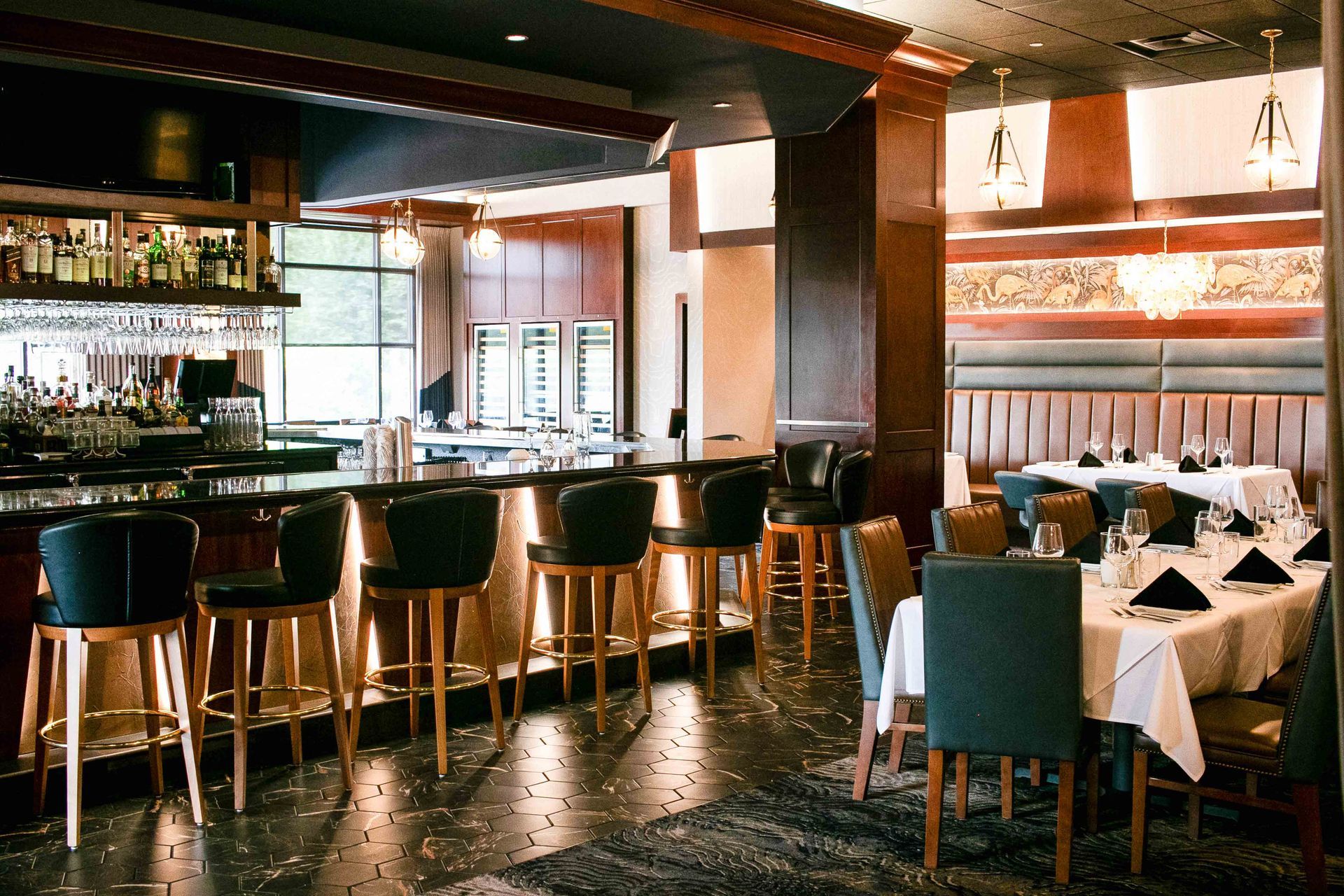
The appearance of your business directly impacts how customers perceive your brand.
A well-maintained, freshly painted commercial space conveys professionalism, trustworthiness, and attention to detail. On the other hand, faded, chipped, or outdated paint can give the impression that a business is neglected or struggling.
Your paint color choices can also reinforce your brand identity. Many businesses use their brand's colors to create a cohesive and recognizable look.
- Fast-food chains often use red and yellow tones to stimulate appetite.
- Corporate offices lean towards blues and grays to convey professionalism and stability.
- Retail stores use bold colors to attract attention and enhance the shopping experience.
By aligning your building's paint scheme with your brand's identity, you create a stronger, more memorable impression for customers.
Compliance with Safety and Health Regulations
Many industries have strict safety and health regulations requiring specific paints and coatings.
Failing to comply with these regulations can result in fines, liability issues, or business closures.
- Anti-microbial and mold-resistant paints are essential for hospitals, clinics, and restaurants to ensure hygiene and prevent health hazards.
- High visibility and safety markings are required in warehouses, factories, and construction sites to improve safety for workers and visitors.
- Non-toxic, low-VOC (volatile organic compounds) paints are often required in office buildings, schools, and public spaces to improve indoor air quality.
A professional commercial painting contractor understands these regulations and ensures your property meets all necessary safety standards.
Energy Efficiency and Cost Savings
Believe it or not, the right paint can contribute to energy efficiency.
Certain coatings and colors can help regulate the temperature inside a building, reducing energy consumption and lowering utility bills.
- Light-colored paints on exterior walls reflect heat, keeping buildings cooler in the summer and reducing air conditioning costs.
- Insulating paints and coatings help maintain indoor temperatures, reducing the strain on heating and cooling systems.
- Reflective roof coatings can improve energy efficiency in large commercial buildings by reducing heat absorption.
Businesses can save significantly over time by strategically choosing paint types and colors.
Enhanced Property Value and Competitive Advantage
If you ever plan to sell or lease your commercial property, a well-maintained, freshly painted building will increase market value and attract more potential buyers or tenants.
A visually appealing space also gives you a competitive advantage in a crowded market.
First impressions matter in the retail, hospitality, and real estate industries. A clean, modern, and well-kept building will naturally attract more customers, tenants, or investors.
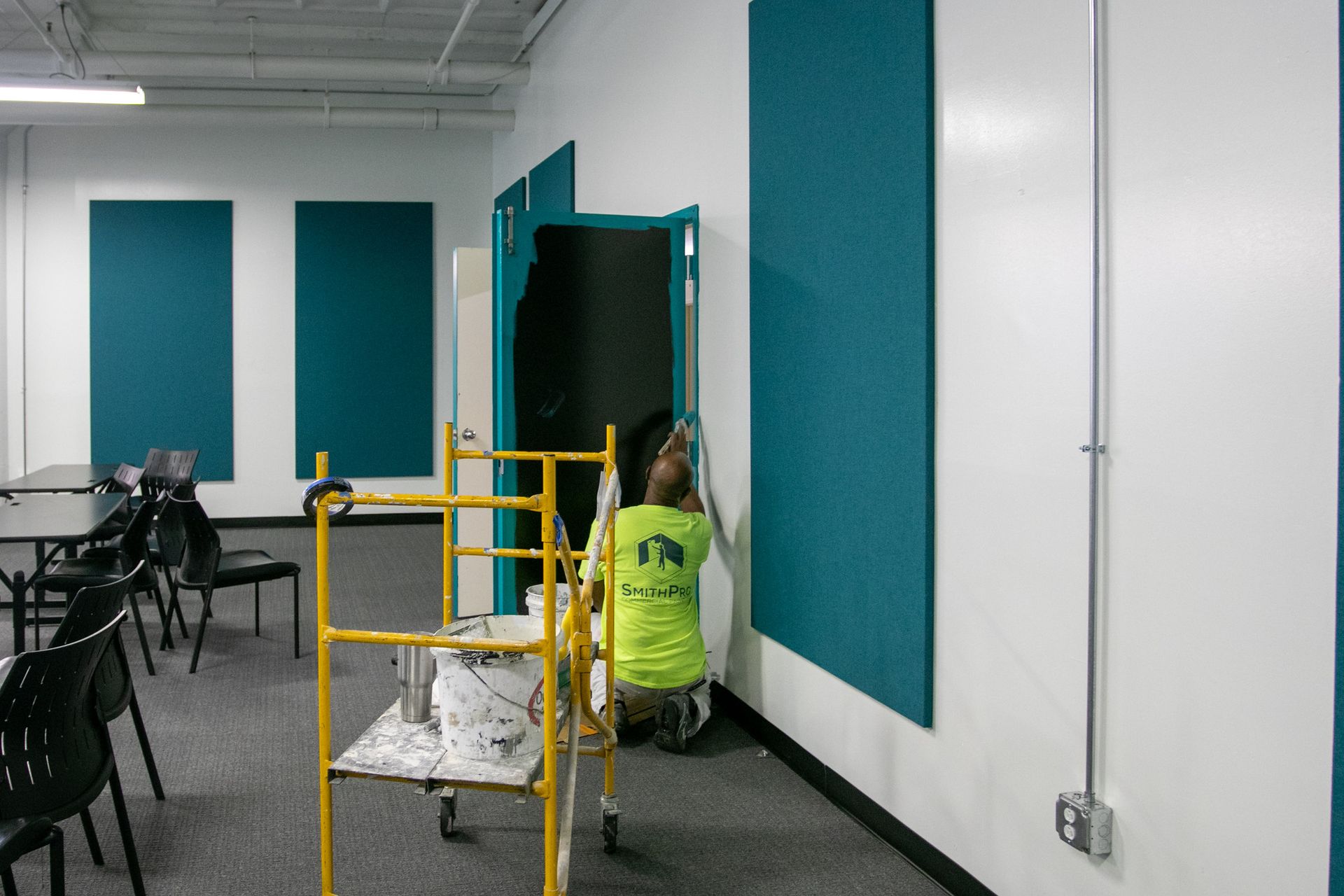
Work With SmithPro Commercial Painting
While aesthetics are a significant factor in commercial painting, the value goes far beyond looks.
A professional paint job enhances protection, durability, employee morale, brand identity, safety compliance, energy efficiency, and property value—all of which contribute to a business's long-term success.
At SmithPro Commercial Painting, we're committed to helping businesses achieve their goals and create spaces safely.
Contact us today to learn more about our professional painting services and how we can help bring your vision to life.