How to Extend the Life of Exterior Paint in Harsh Climates

Maintaining the look and protection of your commercial property is no small task, especially when the weather tests your exterior paint.
From blazing summer heat to freezing winter winds, harsh climates can cause paint to fade, crack, and peel faster than expected.
However, with the right products, preparation, and maintenance strategy, you can extend the life of your exterior paint and keep your building looking professional for years.
Below are proven ways to help your paint stand firm against the elements.
Choose the Right Paint for Your Climate
Not all paints are created equal, and climate plays a significant role in how long a paint job lasts. The first step in protecting your building is selecting a paint designed for your specific environment.
If your area experiences intense sunlight, opt for paint with built-in UV resistance. These formulas contain pigments that hold their color longer and resist chalking.
For regions with high humidity or frequent rain, mildew-resistant paints help prevent mold growth and peeling. In cold or snowy climates, flexible latex-based paints can expand and contract with temperature changes, reducing cracking over time.
When in doubt, consult with a professional painter who understands which products are best suited for your local weather. Investing in the correct type of paint from the start can save thousands of dollars in premature repainting costs.
Start with a Strong Foundation
Even the most durable paint will fail if it is applied over a poor surface. Surface preparation is the foundation of every long-lasting exterior paint job.
Before painting, the surface should be thoroughly cleaned to remove dirt, mildew, and old flaking paint. Power washing is an effective way to clear away debris and ensure the new coat adheres properly.
Next, inspect the surface for cracks, chips, or wood rot. Repairing damaged areas and sanding rough patches creates an even surface that helps paint bond better.
Another must is using a high-quality primer. Primer not only seals the surface but also improves adhesion and durability, giving the topcoat a smoother, longer-lasting finish.
Skipping prep work is one of the most common causes of early paint failure, so take the time to do it right or hire professionals who will.
Pay Attention to Application Conditions
Even the best paint will struggle if it is applied in the wrong conditions. Temperature, humidity, and sunlight all influence how well paint adheres and cures.
Painting during extreme heat can cause paint to dry too quickly, leading to bubbles and uneven coverage. On the other hand, painting in very cold or damp weather can slow drying and prevent proper adhesion. Ideally, aim for moderate temperatures and dry conditions.
If you are in an area with unpredictable weather, scheduling painting projects during mild seasons such as spring or early fall helps ensure a smoother and longer-lasting finish.
Professional painters also use tools such as moisture meters to confirm the surface is ready before they begin, preventing issues later.
Maintain Your Exterior Regularly
Even a perfect paint job needs regular maintenance to stay in top shape. Annual inspections go a long way in spotting early signs of wear before they become major problems. Look for fading, blistering, or small cracks and address them quickly.
Washing your exterior once or twice a year helps remove dirt, pollen, and pollutants that can degrade paint over time. A gentle rinse with a garden hose or low-pressure washer is usually enough to restore the surface without damaging the finish.
Touching up small areas where paint has chipped or peeled can also prevent moisture from seeping underneath and causing further damage. Consistent upkeep can extend the life of your paint by several years, saving you from premature repainting costs.
Why Work with Professional Painters
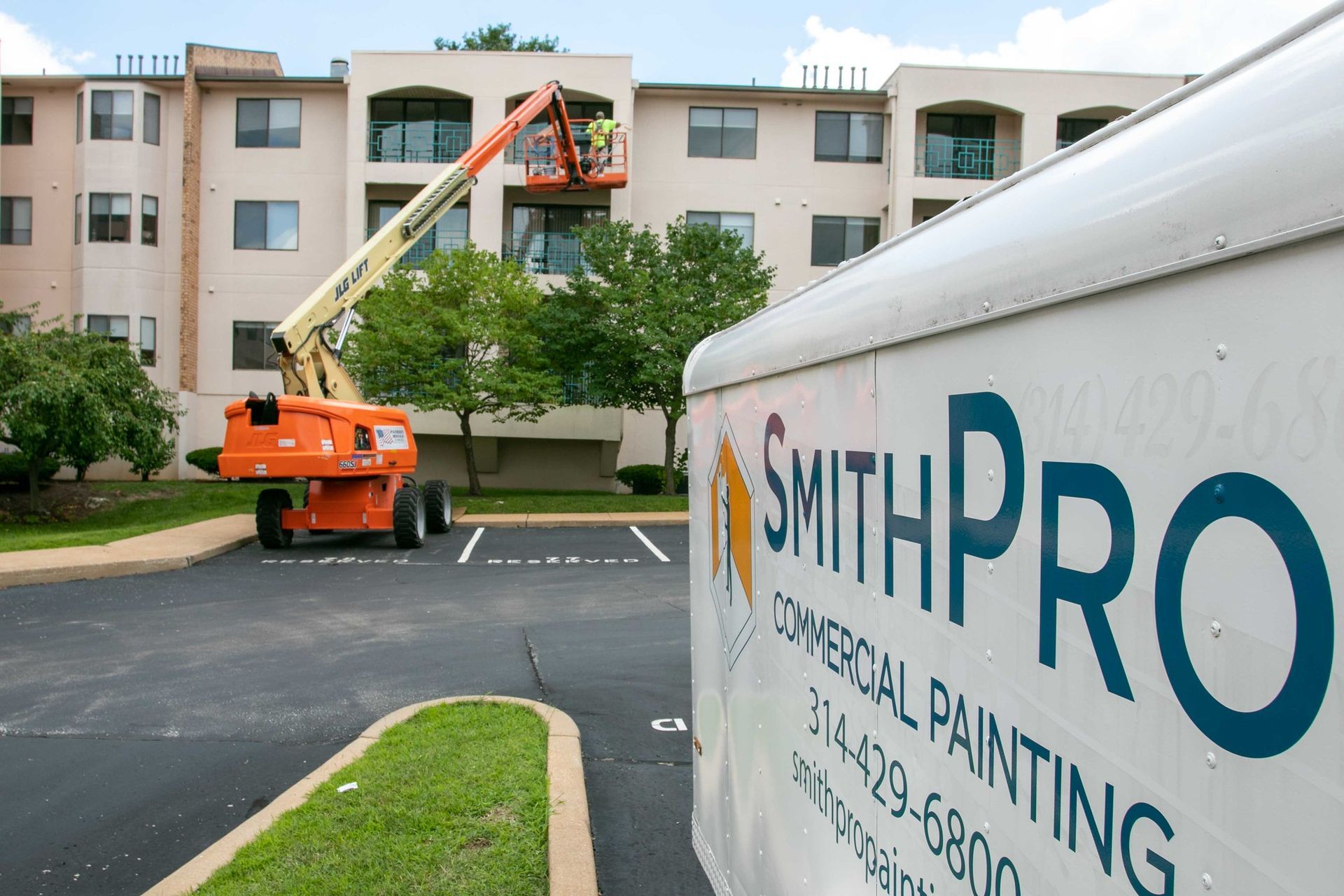
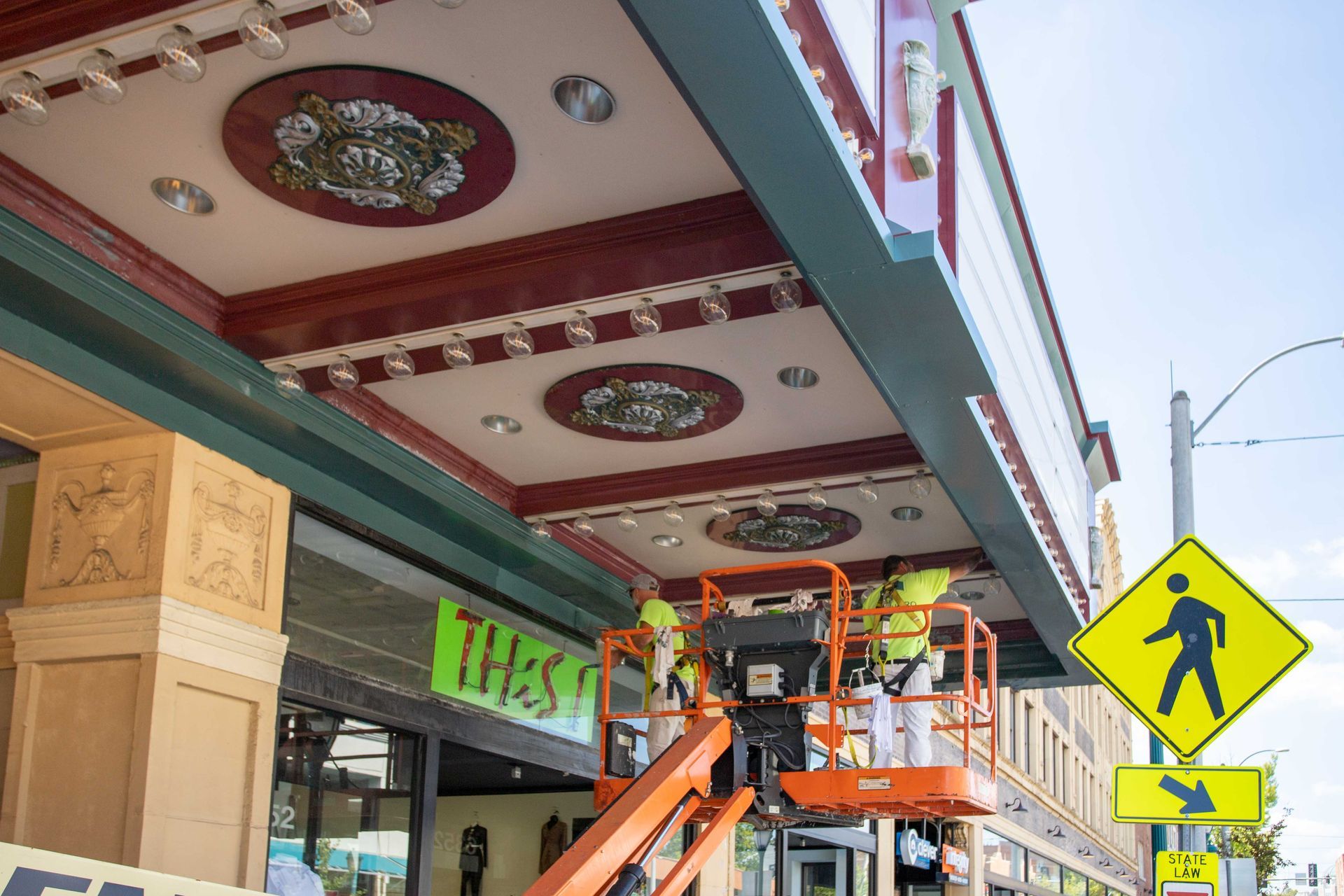
Working with professional painters can make all the difference in the durability and appearance of your exterior paint.
Experts understand how to prepare surfaces correctly, select the right products for your climate, and apply paint under optimal conditions. This attention to detail ensures a smooth, even finish that lasts longer and better protects your building from the elements.
Professional painters also have access to commercial-grade paints and coatings that are more resistant to fading, cracking, and peeling. Their knowledge of local weather patterns helps them choose the right time of year to complete the job, preventing issues caused by extreme temperatures or humidity.
By partnering with a trusted painting company, you gain peace of mind knowing your investment is protected and your property will maintain its professional appearance for years to come.
Keep Your Property Protected with SmithPro Commercial Painting
Your exterior paint is more than decoration. It serves as a shield that protects your property from weather damage and environmental wear.
By trusting SmithPro Commercial Painting with your next project, you gain access to high-quality materials, advanced coatings, and a team committed to excellence.
Whether your building faces blazing sun, heavy rain, or freezing temperatures, SmithPro Commercial Painting can help you extend the life of your exterior paint through expert planning and reliable maintenance.
Contact us today to schedule a consultation and keep your property looking its best through every season.