Guidelines for Painting Historic Buildings

"History is all around us."
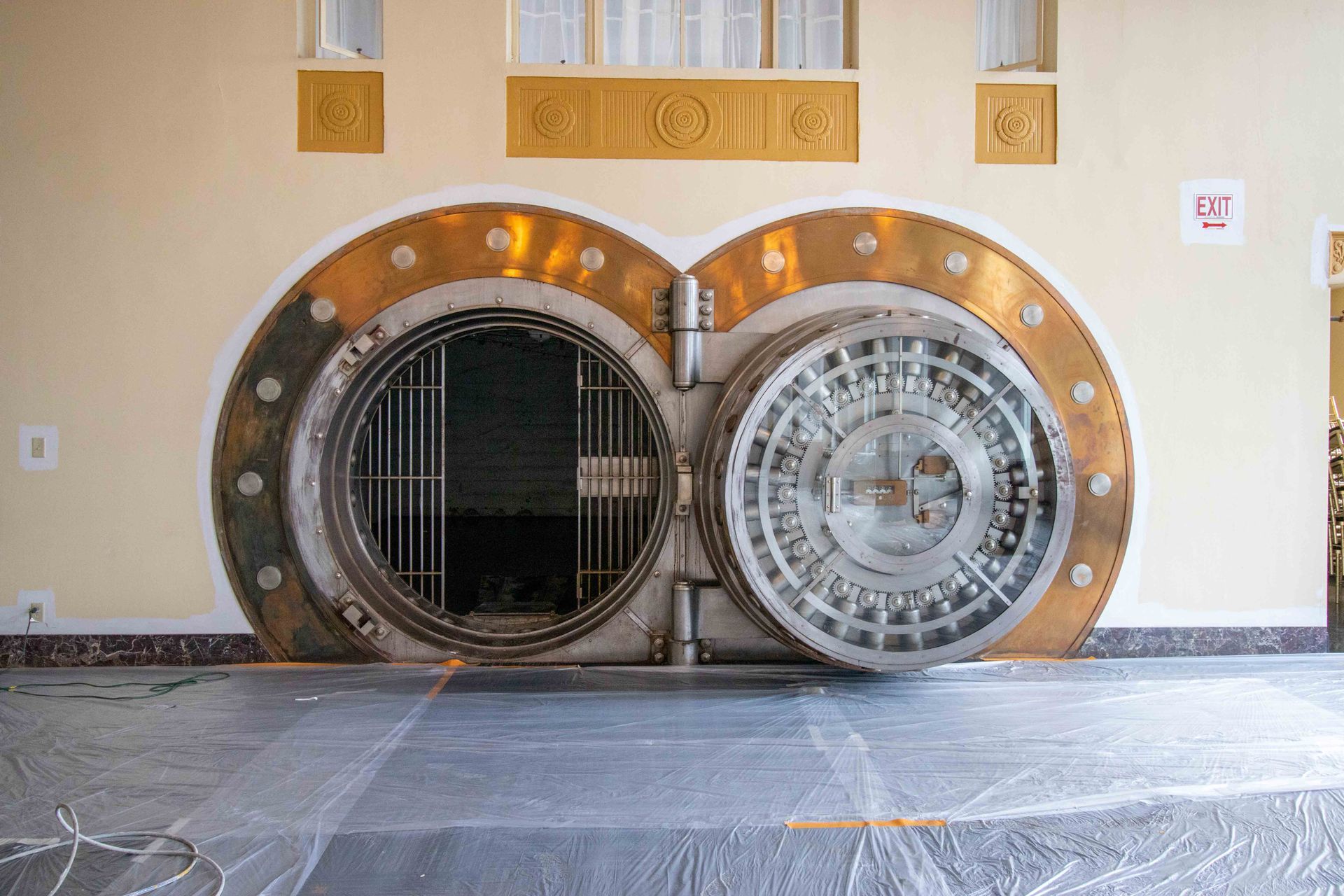
While this sentiment plays out in everyday life, historic buildings are some of our communities' most memorable and unique. While they add culture and texture to the landscape, they can be challenging to maintain and preserve. Painting historic buildings requires a high level of artistry and care.
Let's discuss how commercial painters can help preserve history for future generations.
Understanding Historic Buildings
Historic buildings are architectural gems that tell the story of a bygone era. Often, the materials and techniques used during their construction are no longer employed, making their preservation challenging and rewarding. Because of this, painting plays a significant role in their historic preservation, protecting the building from the elements while enhancing its aesthetic appeal.
Preparation Before Painting
Assessing the building's condition before you start painting is essential. Inspect the structure for any damage that needs repair and understand the historical significance of the previous paint layers. Documenting the original paint colors and patterns is crucial, as it helps maintain the building's authenticity.
Research and documentation play a vital role in this process. Gather historical data, consult with preservationists and historians, and consider performing paint analysis to identify the original colors. Obtaining necessary permissions and permits is also essential. Work closely with historical societies and preservation boards to ensure compliance with local regulations and guidelines.
Selecting the Right Materials
Choosing the suitable materials is critical to preserving the building's historical integrity. Match historically accurate colors by using a paint analysis or modern equivalents.
Paint type is also vital; it should be breathable and compatible with historic materials. Eco-friendly and durable options are preferable to ensure the paint job's longevity.
Proper Techniques for Painting Historic Buildings
Surface preparation is crucial for a successful paint job. Clean the surfaces thoroughly, remove old paint carefully, and repair any damage. Priming the surfaces ensures better adhesion and a smoother finish.
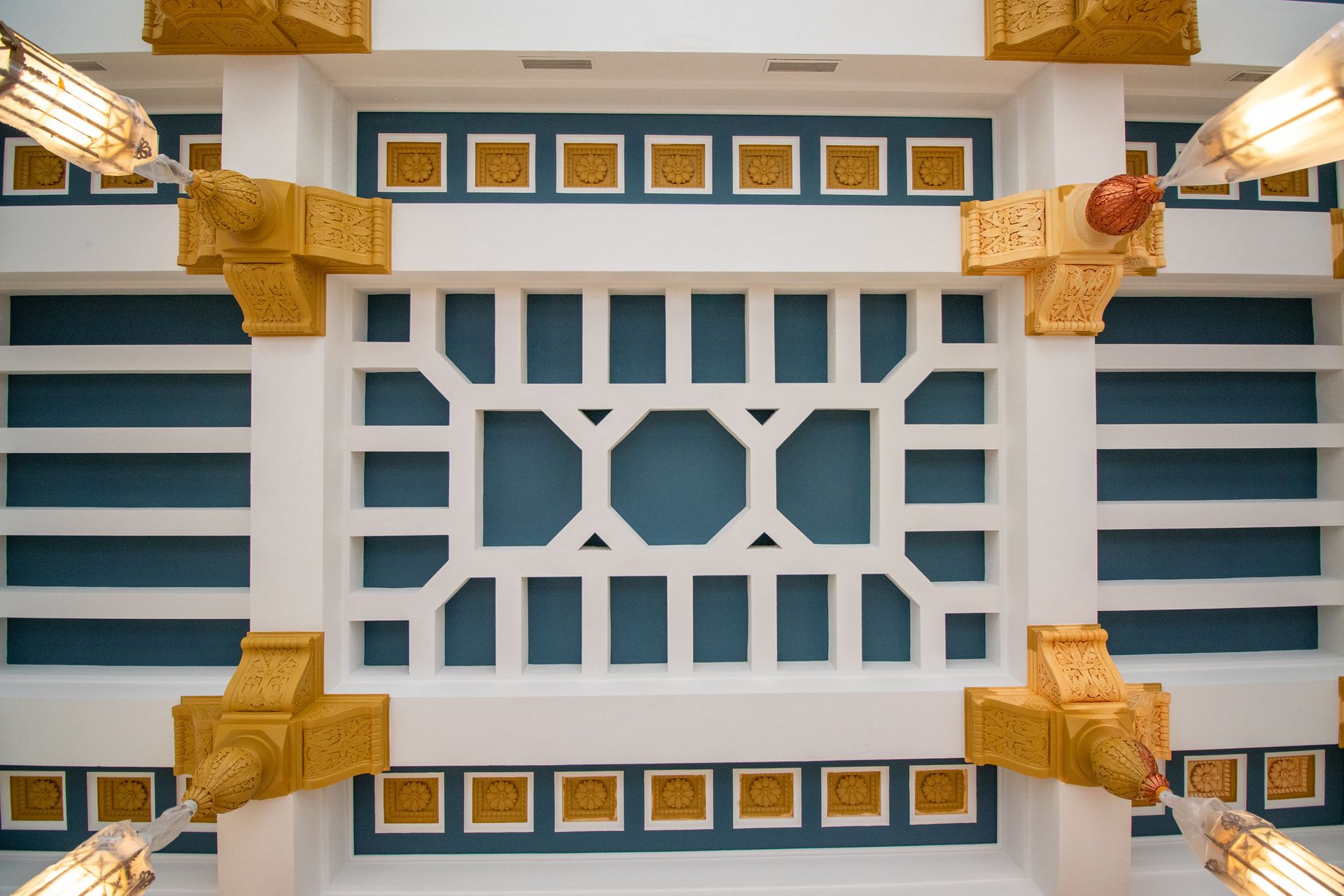
Traditional techniques often work best when it comes to painting methods. Use the appropriate tools and equipment for precision, especially when dealing with intricate details and ornamentation. Application tips include layering the paint properly and finishing for authenticity, ensuring the building looks as it did in its prime.
Special Considerations
Historic buildings will inevitably have numerous unique materials, each requiring specific treatments. Wood, brick, stone, and metal surfaces each have their unique characteristics and challenges. For example, wood may need special treatments to prevent rot, while stone and brick require breathable paints to avoid trapping moisture.
Addressing common issues such as moisture and dampness is crucial. Underlying moisture problems will lead to peeling and paint failure, so addressing these issues before painting is vital. Safety measures are also paramount. Historic buildings may contain lead paint and other hazardous materials, so ensure your team follows proper safety protocols to protect workers and inhabitants.
Maintenance and Long-term Care
Regular maintenance is vital to preserving a historic building's beauty and integrity. Conduct regular inspections to identify early signs of wear and damage and establish a routine maintenance schedule. Touch-ups and minor repairs can prevent more significant issues down the line.
Protective measures, such as weatherproofing and UV protection, are also necessary. Protective coatings can extend the life of the paint and safeguard the building from environmental damage.

Work With SmithPro Commercial Painting
Painting historic buildings is a rewarding endeavor that requires careful planning, suitable materials, and proper techniques. Preserving these architectural treasures protects our heritage and enhances our communities' beauty and value.
Our SmithPro Commercial Painting team is here to help paint historic buildings and more. We have been serving commercial property owners in Greater St. Louis for decades – we can paint office buildings, schools, churches, retail stores, restaurants, you name it!
Our competitive pricing and high-quality craftsmanship set us apart and sustain our commitment to excellence. Let us help you with your painting needs, and contact us today!