Choosing the Right Commercial Paint for High-Traffic Environments

In commercial spaces, painted surfaces are exposed to more than just occasional wear. Hallways, stairwells, entryways, and shared spaces experience constant use, contact, and cleaning. Over time, this level of activity can take a visible toll if the wrong materials are used.
Choosing the right commercial paint for high-traffic environments is not just about appearance. It is about selecting a system that performs under daily stress, reduces maintenance demands, and protects the value of your property.
What Qualifies as a High-Traffic Environment
High-traffic environments are areas where people, equipment, or daily operations create consistent contact with surfaces. This goes beyond simple foot traffic and includes repeated interaction with walls, doors, and fixtures.
Common examples include healthcare facilities, schools, office corridors, and industrial spaces where movement and activity are constant. In these environments, surfaces are more likely to experience scuffs, impacts, and frequent cleaning.
Because of this, standard coatings that might perform well in low-use areas often struggle to maintain their appearance and integrity over time.
Why Standard Paint Often Falls Short
Not all paint is designed to handle demanding conditions. In high-traffic environments, lower-performance coatings can begin to show wear quickly.
Scuff marks, scratches, and stains are among the most common issues. In some cases, paint may begin to chip, peel, or wear unevenly, creating a patchy or inconsistent appearance.
When this happens, the result is not only a visual issue but also a maintenance concern.
Frequent touch-ups or repainting cycles can increase costs and create additional disruption for facility operations. Over time, what seemed like a cost-saving decision can lead to higher long-term expenses.
Key Characteristics to Look for in High-Performance Coatings
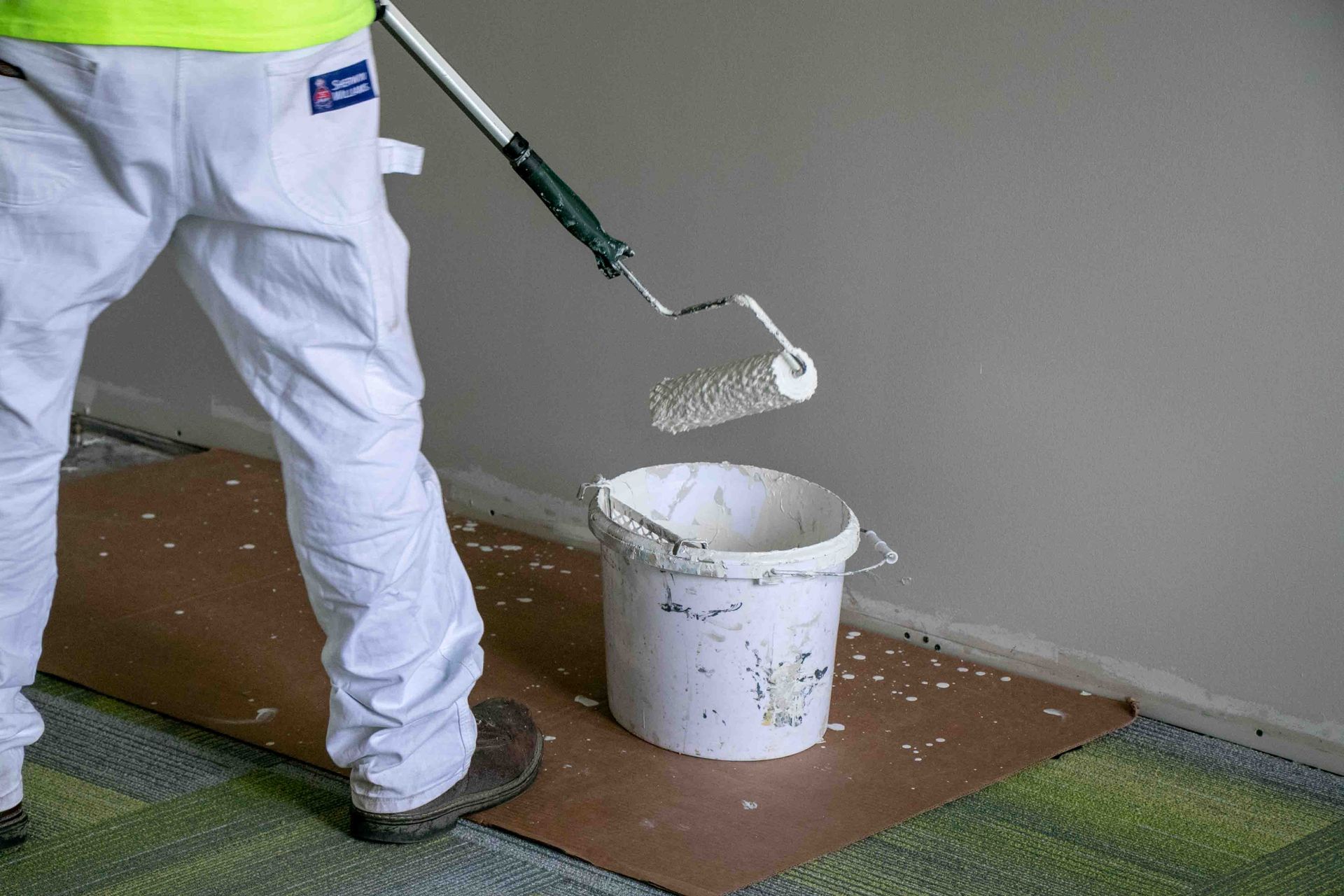
Selecting the right paint for high-traffic areas means focusing on how the coating performs after application, not just how it looks initially.
Durability is one of the most important factors. Coatings designed to resist abrasion can withstand repeated contact without breaking down as quickly. This is especially important in corridors, entryways, and areas where surfaces are regularly touched or bumped.
Cleanability is another key consideration. In many commercial environments, surfaces need to be cleaned or wiped down frequently. High-performance coatings allow for this without damaging the finish or reducing its lifespan.
Adhesion also plays a critical role. Proper bonding to the surface helps prevent peeling or early failure, especially in areas that experience temperature changes or moisture.
In certain environments, moisture and stain resistance may also be necessary. Healthcare facilities, restrooms, and industrial settings often require coatings that withstand exposure to humidity and contaminants while maintaining integrity.
Matching Paint Systems to the Environment
There is no single paint system that works for every space. The right solution depends on how each area is used and what type of stress it will experience.
In healthcare settings, cleanliness and durability are top priorities. Surfaces must withstand regular cleaning while maintaining a professional appearance.
In educational facilities and public buildings, coatings need to resist heavy wear, frequent contact, and the potential for marks or damage.
Industrial and warehouse environments often require more heavy-duty coatings that can handle demanding conditions and repeated use.
In office and professional spaces, there is typically a need to balance durability with a clean, consistent look that reflects the organization's image.
Selecting the right system starts with understanding how each space functions on a daily basis.
The Role of Surface Preparation in Performance
Even the most advanced coatings will struggle when applied to poorly prepared surfaces. Surface preparation is the foundation of a successful painting project and plays a major role in long-term performance.
Proper preparation includes cleaning surfaces, addressing damage, smoothing imperfections, and applying primer when needed. These steps help ensure that the coating bonds correctly and performs as expected.
Without this level of preparation, paint is more likely to fail prematurely, leading to issues such as peeling, bubbling, or uneven coverage. Cutting corners in this phase often leads to higher costs later.
Long-Term Value of Choosing the Right Paint
While higher-quality coatings may require a greater upfront investment, they often provide better long-term value. Durable paint systems last longer, maintain their appearance, and reduce the need for frequent maintenance or repainting.
This investment can lead to fewer disruptions, lower lifecycle costs, and a more consistent environment for employees, customers, and visitors.
Over time, the right decision at the beginning of a project can make a significant difference in both performance and overall cost.
Call SmithPro Commercial Painting
High-traffic environments place unique demands on commercial paint systems. Selecting the right materials requires an understanding of how each space is used and what it will be exposed to on a daily basis.
SmithPro Commercial Painting works with businesses to select and apply coating systems designed for real-world conditions.
From evaluating your facility to recommending materials and managing the process, their team helps ensure your investment performs over time.
Contact us today!